
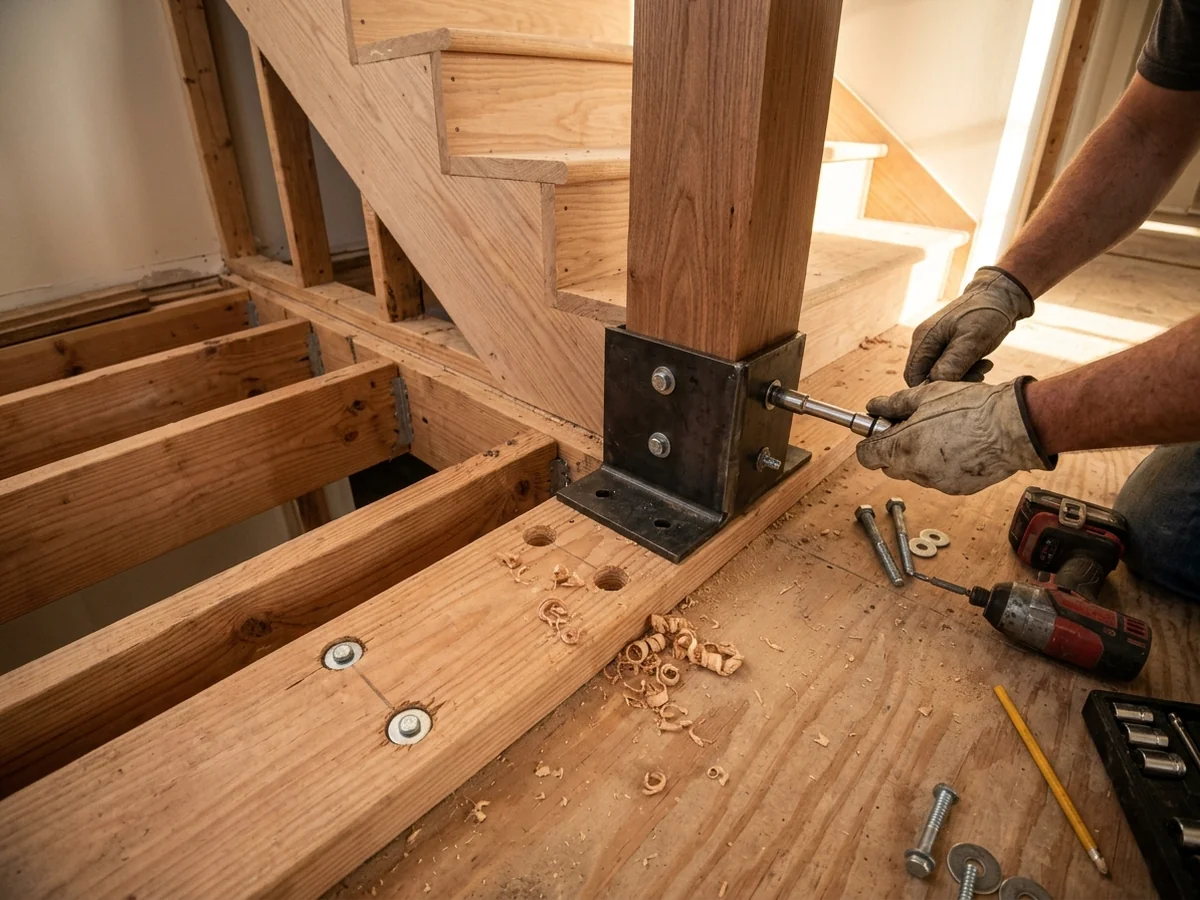
Best Heavy-Duty Newel Post Mounting Hardware (Sure-Tite vs L-Brackets)
Introduction to Heavy-Duty Newel Post Mounting Hardware
Selecting the right newel post mounting hardware is essential for establishing a rigid, safe stair railing that prevents dangerous wobbling over time. Solid connections protect household occupants by ensuring railings withstand daily weight and pressure without shifting.
DIY homeowners and residential builders can choose from several wood newel post mounting hardware choices, ranging from hidden fastener systems to surface brackets. This guide explores the mechanical differences between popular options like Sure-Tite kits and standard L-brackets so you can pick the strongest system for your project.
Comparing Sure-Tite fastener systems and Standard L-Brackets
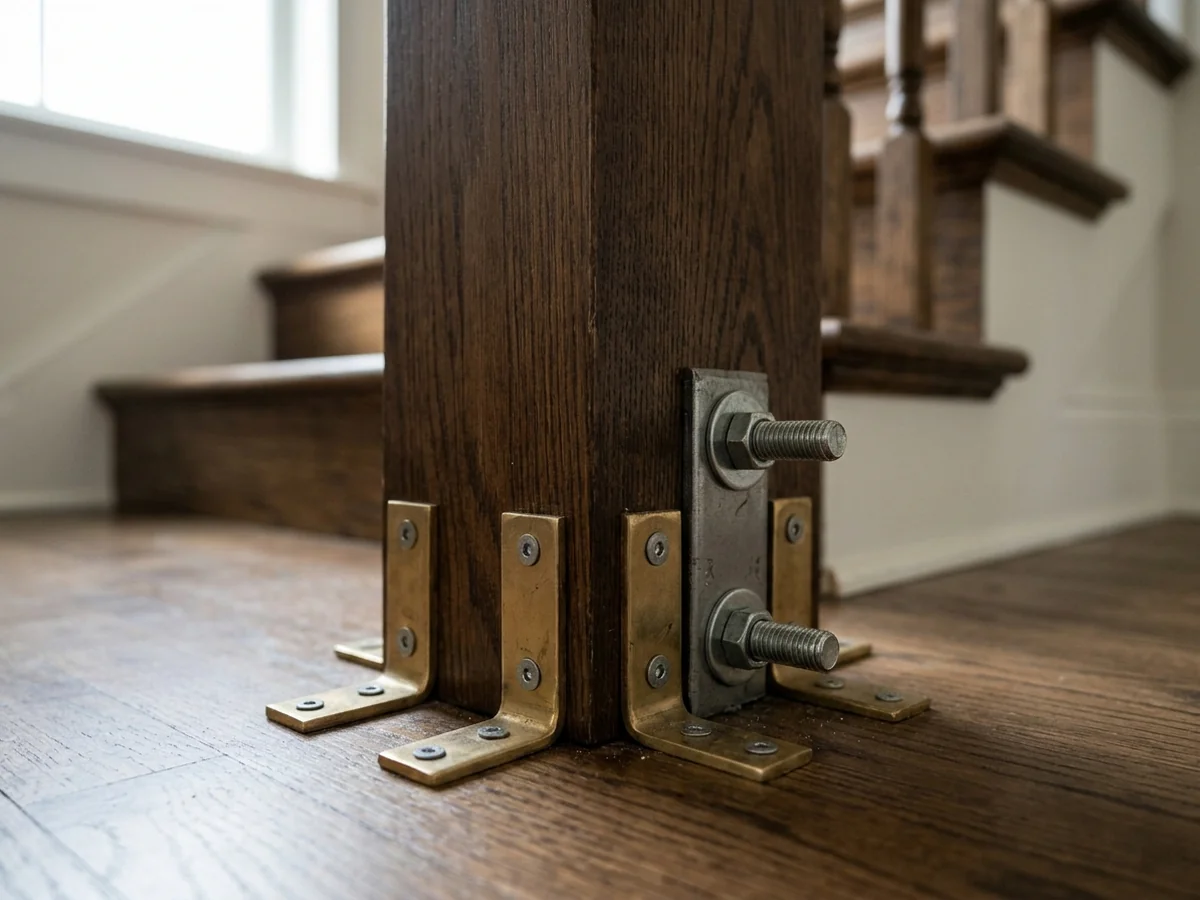
Concealed threaded fasteners and surface‑mounted brackets differ fundamentally in how they transfer load and maintain structural rigidity for stair railings. Threaded anchor systems pull the post directly into the structural floor framing, while angle brackets rely on exterior fasteners attached to the side of the post and the subfloor.
When planning a staircase upgrade or repair, choosing the right wood newel post mounting hardware impacts both safety and appearance. Understanding the mechanical differences between internal tension systems and surface hardware helps homeowners and builders select components that prevent a loose railing over time.
| Feature | Sure‑Tite fastener systems | Standard L-Brackets |
|---|---|---|
| Installation Location | Internal bolt running through the post center | External hardware mounted on the outer surface |
| Visual Aesthetic | Completely hidden from view after installation | Visible on the outside unless covered |
| Long‑Term Rigidity | Resists loosening from lateral force over time | May require tightening if surface screws shift |
| Installation Complexity | Requires precise drilling through the post and floor | Straightforward screwing into adjacent surfaces |
Load Distribution and Mechanical Performance
Evaluating ease of installation reveals that angle brackets go in much faster because you simply screw them into place from the outside. The internal bolt kit demands careful alignment and deep hole boring, but it rewards patience with a cleaner look and superior resistance to wobble. Surface hardware often loosens first under heavy daily use because leverage strains the exposed screws, whereas internal tension rods keep joints tight for years.
For DIY installers, knowing why these systems behave differently under load can prevent common installation mistakes. Surface brackets concentrate stress on the outer wood fibers and fastener threads, which can strip out when people pull or lean on the handrail. The concealed anchor distributes tension through the core of the timber, creating a sturdier connection that aligns with heavy‑duty stair railing brackets in terms of structural performance.
Selecting the Right Stair Newel Post Mounting Hardware
Practical steps for selecting between these options involve weighing available tools against aesthetic goals. If exposed metal clashes with a clean interior design, internal hardware provides a seamless finish. If speed and simplicity take priority during a quick repair, surface brackets offer a straightforward path to securing residential stairs.
When homeowners face issues with a wobbling staircase, evaluating the underlying connection is essential. Learning how to secure a loose newel post often starts with inspecting whether the original installer used surface brackets or internal bolts. Upgrading older assemblies to reliable mounting hardware ensures the entire staircase meets residential safety standards and withstands daily household traffic without shifting.
Load Capacity Analysis of Threaded Fasteners Versus Surface Brackets

Selecting the right hardware for a newel post requires understanding how different mechanical systems manage lateral loads and everyday wear. When someone leans against a stair railing, it creates a sideways push that tests the entire foundation of the staircase. How this stress is transferred into the subfloor determines whether the installation remains rigid or develops dangerous wobble over time. Comparing internal threaded systems against exterior metal plates reveals distinct advantages for long‑term stability in residential projects, especially for DIY homeowners and residential carpenters seeking reliable results.
Surface Brackets and Exterior Hardware Mechanics
Surface brackets and heavy‑duty stair railing brackets rely on exterior plates, angle bracing, and exterior screws to pin the base of the post directly to the floor. While these components are straightforward to install using supplies found at Home Depot or Lowe’s, they concentrate all resistance on the outer perimeter of the wood. Continuous foot traffic creates vibrations that cause these exterior screws to wiggle loose inside the grain. Over months and years, micro‑movements compound until the post begins to sway, prompting homeowners to search for ways on how to secure a loose newel post.
When evaluating stair newel post mounting hardware, surface options often appeal to beginners because they require minimal modification to the structural core of the wood. However, oak and other dense hardwoods put up a fight against repeated lateral tension when only held by surface friction. Without deep framing engagement, the leverage exerted at the top of the handrail translates into high shear stress on short exterior fasteners.
Internal Threaded Systems and Structural Engagement
Threaded hardware operates on a fundamentally different structural principle by driving deep into the framing members. This approach creates a high‑tension connection that pulls the post firmly against the subfloor, using internal mechanics to absorb lateral impact. Instead of relying on surface friction, specialized kits like Sure‑Tite fastener systems or Zipbolt anchor directly into underlying joists. Brands such as Fas‑N‑Fast also offer robust alternatives that distribute tension across a wider structural footprint, preventing the concentrated stress points that typically plague exterior brackets.
Code compliance is another critical factor for stair railing rigidity in the United States, where local building guidelines align with standards like the International Residential Code. Inspectors look for assemblies that can withstand significant concentrated loads without deflection. Internal threaded systems excel here because they tie the railing directly into the home framework rather than superficial flooring layers.
Installation Best Practices and Common Pitfalls
Installing wood newel post mounting hardware successfully requires careful attention to practical steps and common mistakes. A frequent error during installation is driving structural screws into subflooring panels alone rather than engaging the actual floor joists. To achieve maximum load capacity, installers must locate the framing members accurately and use appropriately rated hardware. Ensuring a tight mechanical connection from the core of the post to the building frame is the most reliable way to maintain safety and compliance under heavy everyday use.
Before fastening, dry fit the post and verify that pilot holes match the manufacturer specifications for the chosen kit. Avoid over‑tightening fasteners past the point of material compression, as this can strip internal threads or split surrounding wood. Taking time to align the base correctly prevents uneven gaps and ensures long‑lasting rigidity throughout the staircase lifecycle.
Code Compliance for Newel Post Hardware
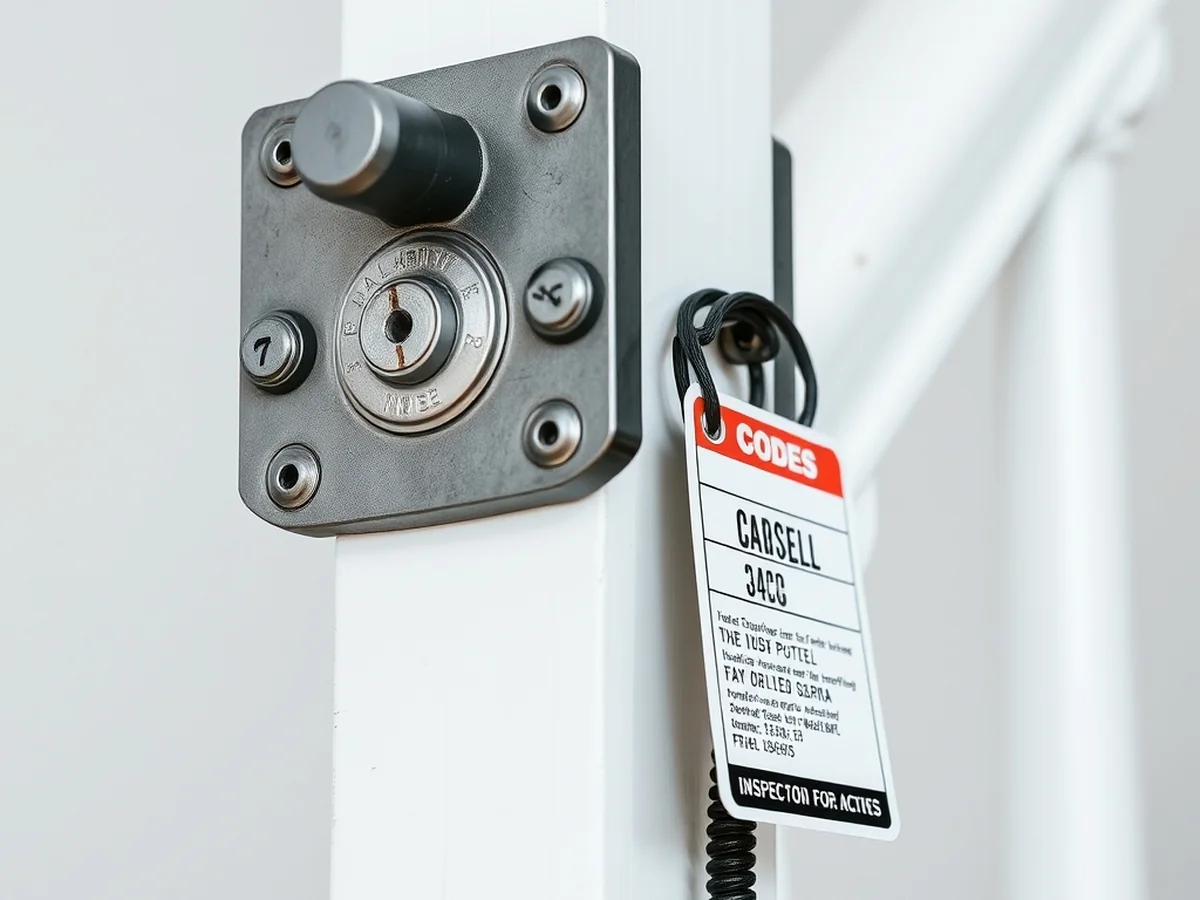
Residential stair assemblies must meet building regulations set by the International Residential Code to ensure structural safety and prevent movement under heavy loads. Inspectors evaluate stair installations to verify that handrail supports withstand significant outward and downward force without shifting. Understanding the regulatory framework helps homeowners and builders select the right hardware for mounting newel posts for their projects, ensuring every connection satisfies legal requirements.
Choosing proper installation components helps guard against wobbling and keeps the entire staircase secure over years of daily use. Building codes typically require handrails and their main support posts to resist substantial concentrated loads. Failing an inspection because of a loose support can stall a home project and require costly repairs, which makes choosing heavy duty stair railing brackets a critical step in the planning phase.
Rigid attachment methods distribute weight evenly into the subfloor and framing rather than relying on surface fasteners alone. Proper engineering prevents the joint from loosening when people lean heavily on the railing. Strong internal connections provide the stability required to pass local safety evaluations, especially when paired with specialized fastening solutions or heavy duty structural screws designed for maximum grip.
Installers should review regional code amendments before beginning any stair project because local jurisdictions often enforce stricter guidelines than national standards. Working with approved assembly techniques ensures the completed staircase satisfies both safety expectations and legal requirements.
Common mistakes during installation often lead to failed inspections and shaky railings. Avoiding these pitfalls ensures long‑lasting stability:
- Relying solely on surface mounted L‑brackets without checking subfloor strength or framing depth.
- Skipping fastener manufacturer guidelines for pilot hole sizing and wood screw placement.
- Failing to account for wood settling or seasonal humidity changes that can loosen standard fasteners over time.
- Overlooking local building department amendments that mandate specific load capacities or post anchoring patterns.
By following manufacturer specifications and selecting appropriate hardware for mounting newel posts, DIYers and professional builders can create robust assemblies that easily pass municipal inspections and remain rigid for decades.
Step-by-Step Installation Instructions for Heavy-Duty Hardware
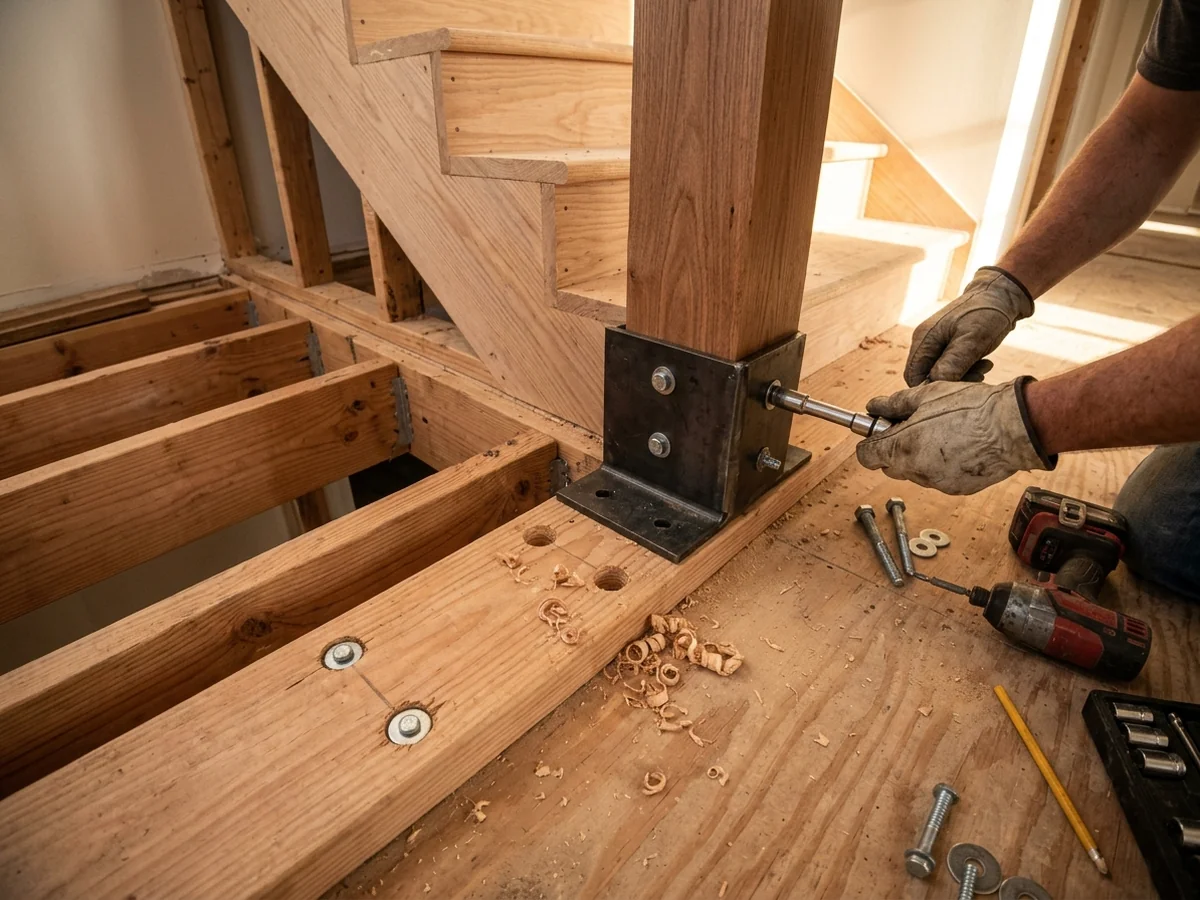
Properly installing a structural support post begins with careful preparation of the underlying floor substrate and the bottom surface of the wood or oak column. You need a solid, level foundation to prevent any future shifting or wobbling under pressure, especially since high‑traffic staircases undergo constant lateral forces. Understanding the right approach ensures your setup remains completely rigid over years of daily use. This guide serves DIY homeowners, residential carpenters, and stair builders seeking reliable, code‑compliant methods for structural staircase updates.
Securing the anchor system correctly requires high‑grade structural screws and matching hardware that you can easily pick up during a quick trip to Home Depot or Lowe’s. Following a structured procedure guarantees a safe setup for stair post fasteners while helping you avoid common pitfalls like over‑tightening or misaligned brackets. Whether you are building a brand‑new staircase or learning how to secure a loose post during a renovation, following a methodical workflow makes all the difference.
Why proper preparation matters: failing to clear away subfloor debris or ignoring a slightly uneven base creates tiny gaps that amplify movement under load. Over time, those micro‑movements loosen fasteners and lead to an unstable railing. Taking your time during the layout phase protects the structural integrity of your entire staircase assembly and helps you meet the safety expectations outlined in the International Residential Code.
Selecting the Right Hardware System
Before turning any fasteners, you must choose between different anchoring methods depending on your staircase layout. Options like a proprietary fastening system, Zipbolt connectors, Fas‑N‑Fast kits, and robust stair brackets each offer distinct advantages. Threaded fastener systems pull the post directly into the structural framing from the inside, while surface brackets rely on heavy‑duty angles and structural screws to anchor the base externally. Evaluating your subfloor type and access points beneath the landing will guide you toward the ideal wood post fasteners for your specific project.
Practical Steps for Installation
- Clear away any debris, dust, or old finish from the floor surface to ensure the post base sits completely flush against the subfloor framing.
- Check that the bottom of the wood or oak post is cleanly squared off so it makes maximum contact with the ground and distributes weight evenly.
- Position your chosen anchor system, such as a heavy‑duty bolt kit, specialized wood post fasteners, or surface brackets, according to the manufacturer layout guidelines.
- Drive structural screws through the designated fastening points on the bracket and straight into the underlying structural framing members.
- Verify that the assembly remains completely plumb and stable using a spirit level before tightening every single fastener down to its final torque.
Common Mistakes to Avoid
One frequent mistake is driving screws directly into superficial flooring layers like thin plywood or laminate instead of biting into the solid subfloor framing underneath. Another error is neglecting to check plumb alignment continuously during the tightening process, which can cause the column to tilt subtly as tension increases. By using quality robust brackets and following an orderly sequence, you ensure a durable, safe finish for your project without unexpected wobbles.
Troubleshooting and Fixing a Loose Newel Post
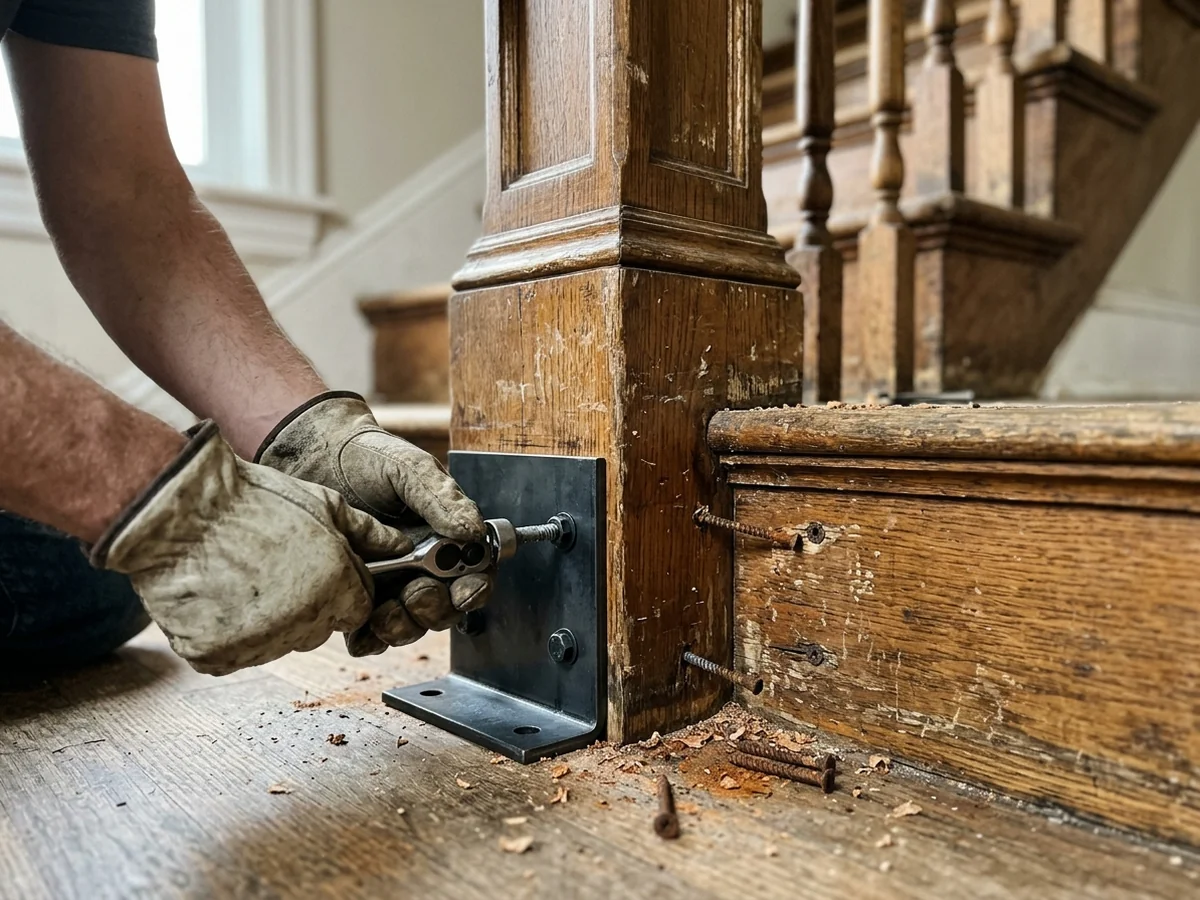
Fixing a wobbly railing starts by identifying the exact root cause of movement in older or poorly installed railings. Years of heavy use often strip out original fasteners or loosen the core connection hidden beneath the floor. Homeowners tackling this issue need to understand why the movement happens before choosing the right fastening hardware for the repair.
Checking the base trim usually reveals whether the instability stems from loose floor anchors or shifting wood framing. Wiggle the railing firmly to see if the entire floor assembly moves or if just the upright post wobbles independently. If the wood framing underneath remains solid, the problem is typically isolated to failing fasteners.
Practical steps for a lasting repair depend on whether you can access the underside of the floor or if you must work entirely from the top. For surface mounted repairs, removing the base trim exposes the joint where the upright meets the subfloor. Cleaning away old debris and checking the surrounding timber ensures a strong bite for new attachments.
Tightening internal threaded connectors provides a direct way to restore stability without tearing apart the entire staircase. Many modern setups rely on concealed bolts that can be retorqued with a long wrench through an access hole. When dealing with specialized stair attachment hardware, following the manufacturer torque recommendations prevents stripping the wood threads.
Supplementing surface brackets offers another reliable method when internal fasteners fail or prove impossible to reach. Adding sturdy brackets around the base ties the upright timber securely into the surrounding subfloor and framing. This approach distributes lateral pressure across a wider surface area.
Common mistakes during the repair process can lead to repeated loosening over time. One frequent error is relying on standard drywall screws or undersized hardware that cannot handle the continuous lateral load of daily foot traffic. Another mistake is failing to countersink fasteners properly, which prevents the base trim from sitting flush against the floor.
Choosing proper attachment hardware ensures the repair withstands everyday pressure and remains safe for years. Securing every screw tightly prevents future shifting and keeps the entire staircase rigid. Taking time to evaluate the structural integrity during this process guarantees a safe and durable result.
Selecting Heavy-Duty Newel Post Fasteners
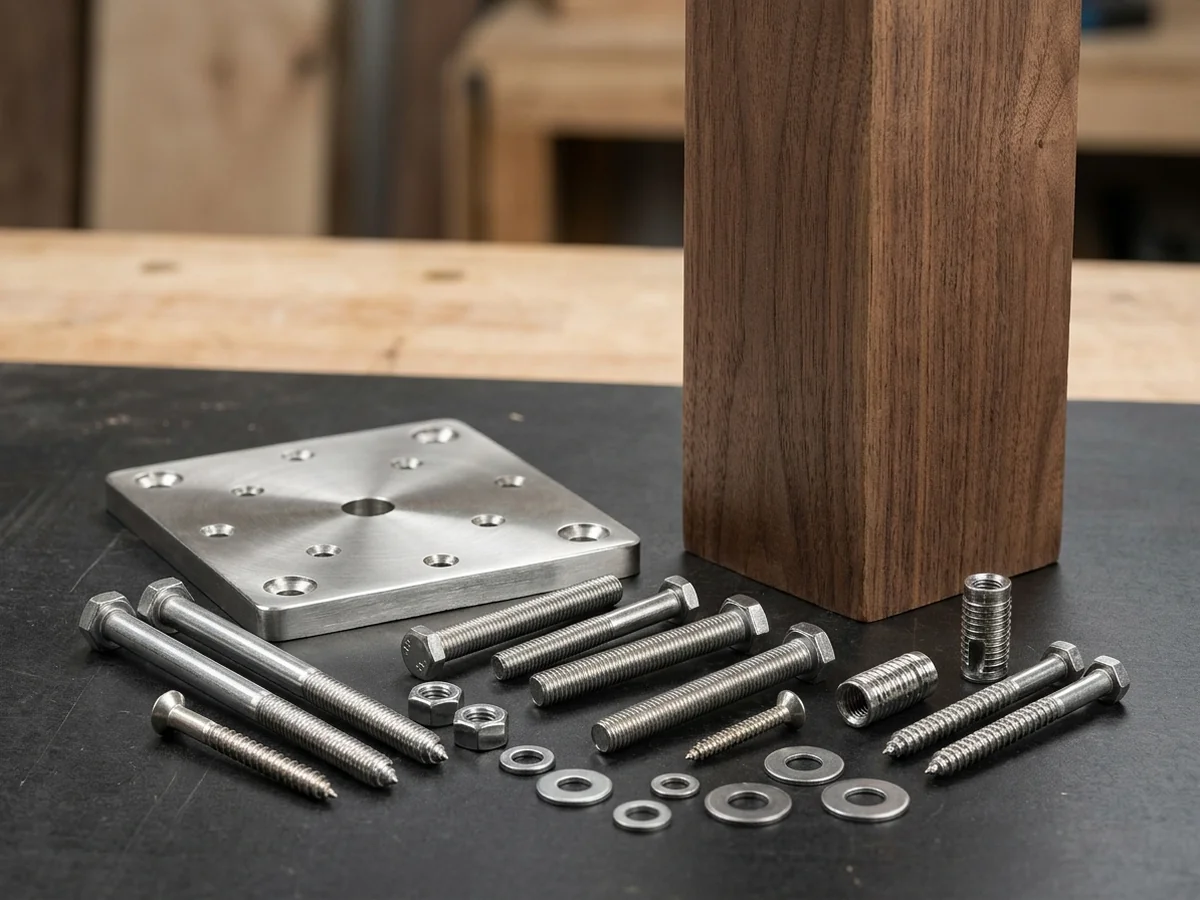
Choosing the right hardware for a staircase support structure depends heavily on the specific mechanical system you prefer and the timber species involved. Selecting appropriate hardware for the upright post ensures that your handrail remains completely rigid under heavy daily use. A stable anchor prevents the wobble that develops over years of heavy foot traffic, protecting both the structural integrity of the stairs and the safety of everyone in the home.
When evaluating different hardware options for stair posts, DIY homeowners and professional carpenters must balance aesthetic preferences with strict structural demands. Whether you are building a new staircase from scratch or learning how to tighten a loose post during a renovation, understanding your hardware choices makes all the difference.
Concealed Internal Systems Versus Surface Brackets
Specialized mounting systems offer distinct installation advantages over basic surface brackets. Options like Sure‑Tite, Zipbolt, and Fas‑N‑Fast hide structural connections entirely inside the timber components. Using these concealed systems allows builders to pull the upright support tightly against the floor framing using internal threaded rods or specialized gears. This concealed approach provides exceptional lateral stability while keeping the finished staircase looking clean and professional, free from exposed metal plates or unsightly screw heads.
Surface mounted alternatives such as robust brackets rely on exterior fasteners and metal plates. These surface solutions work well when you cannot access the underside of the stair framing, such as when working over a finished ceiling on the lower floor. They attach directly to the exterior faces of the timber and the surrounding floor, creating a visible but extremely strong mechanical bond that handles heavy loads efficiently.
Material Compatibility and Fastener Selection
Fastener length and timber compatibility dictate the overall success of any installation project. Hardwoods like oak require pre‑drilling to prevent splitting when driving heavy structural screws or threaded posts. You must match the length of your fasteners to the thickness of the floor assembly and the dimensions of the upright timber to achieve maximum pull‑out resistance.
Choosing the correct components often involves shopping at major home improvement retailers such as Home Depot or Lowe’s, where you can find structural screws and specialized brackets. Ensuring your setup complies with local regulations, including guidelines from the International Residential Code regarding handrail rigidity and load resistance, helps guarantee a safe household environment.
Avoiding Common Installation Errors
Careful planning helps prevent common installation mistakes when anchoring stair supports. One frequent error is failing to anchor directly into solid structural framing members instead of relying solely on thin subflooring. Another mistake is over‑tightening mechanical connectors in softer woods, which can strip the internal threads or crush the wood fibers and lead to premature looseness.
Taking time to align components properly, pre‑drill dense timber, and verify local safety codes ensures a durable result that stands the test of time. Proper planning eliminates the frustration of future repairs and keeps your staircase secure for years to come.
Frequently Asked Questions About Newel Post Mounting
How do you anchor a newel post?
Anchoring a newel post involves fastening the base directly to the subfloor or floor framing rather than just the finish flooring. Installers typically use structural screws or dedicated brackets that resist lateral forces and keep the post from shifting.
What is the best newel post fastener?
The ideal fastener varies with the stair configuration, but threaded internal systems usually provide the strongest hold for wooden posts. These concealed connectors attach the post’s core to the floor framing, delivering maximum rigidity.
How to secure a loose newel post?
To fix a wobbly post, tighten the existing internal connectors or add reinforced brackets to strengthen the base. If the original screws have stripped, replace them with longer structural screws or install an upgraded fastening kit.
What screws for newel post?
Use heavy‑duty structural screws or lag screws that are rated for high‑load framing tasks. Standard drywall or ordinary wood screws do not provide sufficient strength for a stair railing that endures regular use.
Conclusion and Final Recommendations for Stronger Stairs
Heavy-duty newel post mounting hardware delivers far superior stability and long-term safety compared to basic fasteners or surface brackets. Choosing the right anchoring system prevents wobbling and ensures your railing meets strict safety standards. Take time to measure your framing and select proper newel post mounting hardware before starting your stair renovation project.
You might also like: What Is the Standard Code Height for a Stair Handrail from Tread Nose?