- What Is the Standard Code Height for a Stair Handrail from Tread Nose?
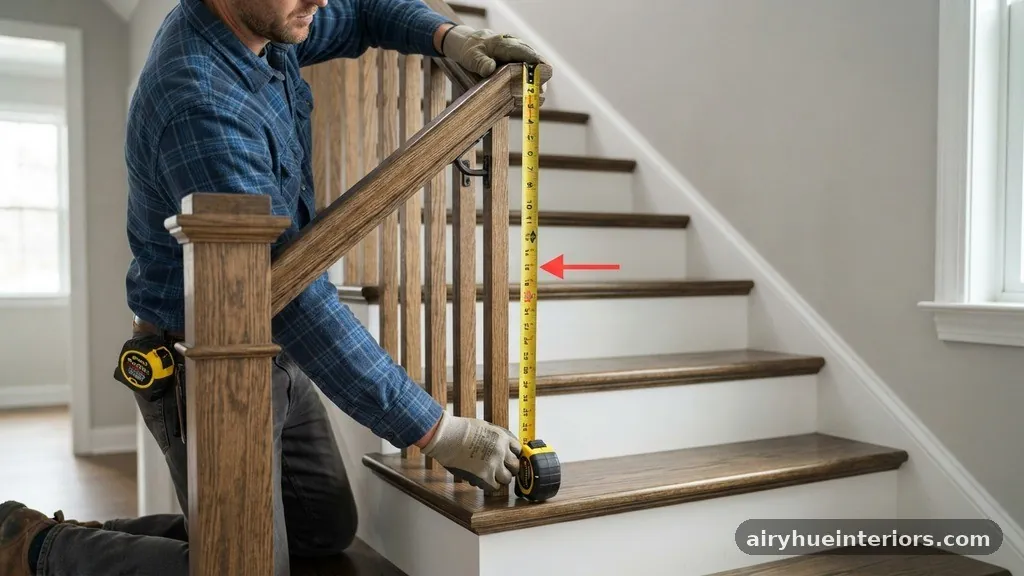 Determining the standard code height for a stair handrail from tread nose is a critical aspect of building safety that often confuses homeowners and contractors…
- 34-Inch to 38-Inch Handrail Height: Measuring Plumb from the Stair Slope
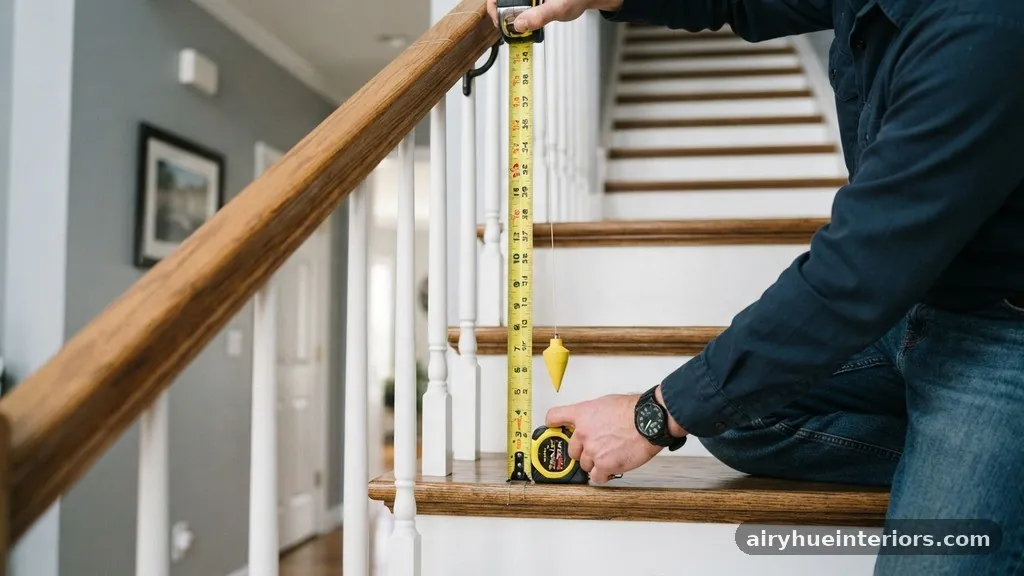 Adhering to a 34-inch to 38-inch handrail height when measuring plumb from the stair slope is a fundamental requirement for safety and regulatory compliance in…
- Type I vs Type II Graspable Handrail Profiles: Code Dimensions Explained
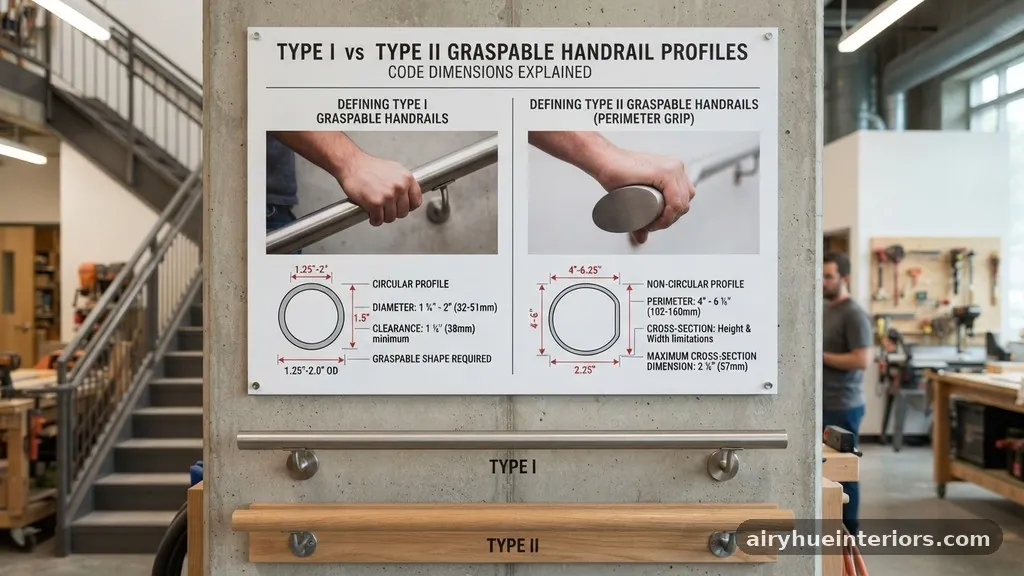 Navigating the nuances of Type I vs Type II graspable handrail profiles is essential for anyone involved in building design or residential renovations. These classifications…
- Why Wide 2×6 Flat Wood Handrails Fail Residential Building Inspections?
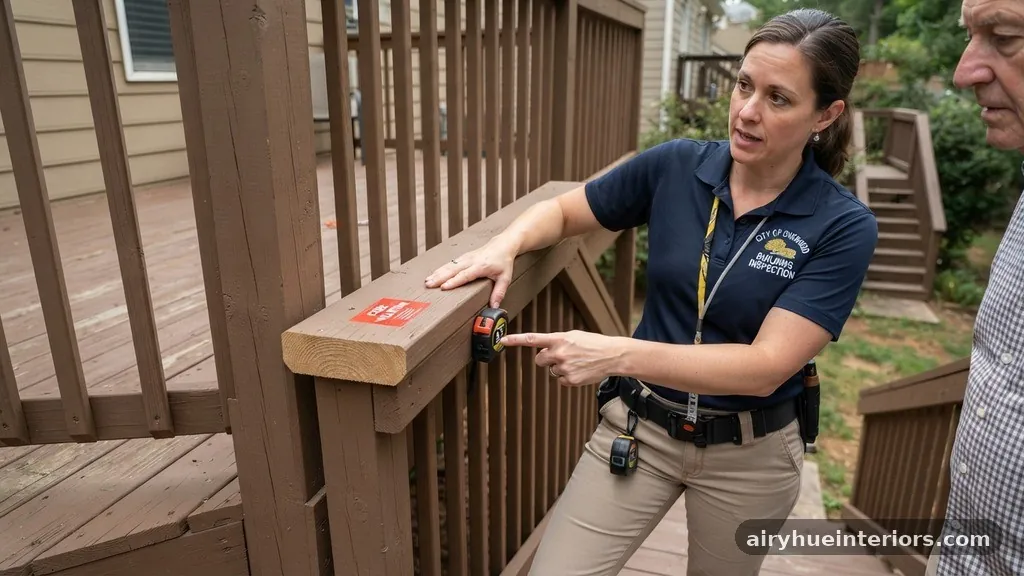 When you install a deck or a staircase, you might think a sturdy 2×6 board makes for a great handrail. Unfortunately, many homeowners find that…
- The 4-Inch Sphere Rule: Why Building Inspectors Fail Wider Baluster Gaps
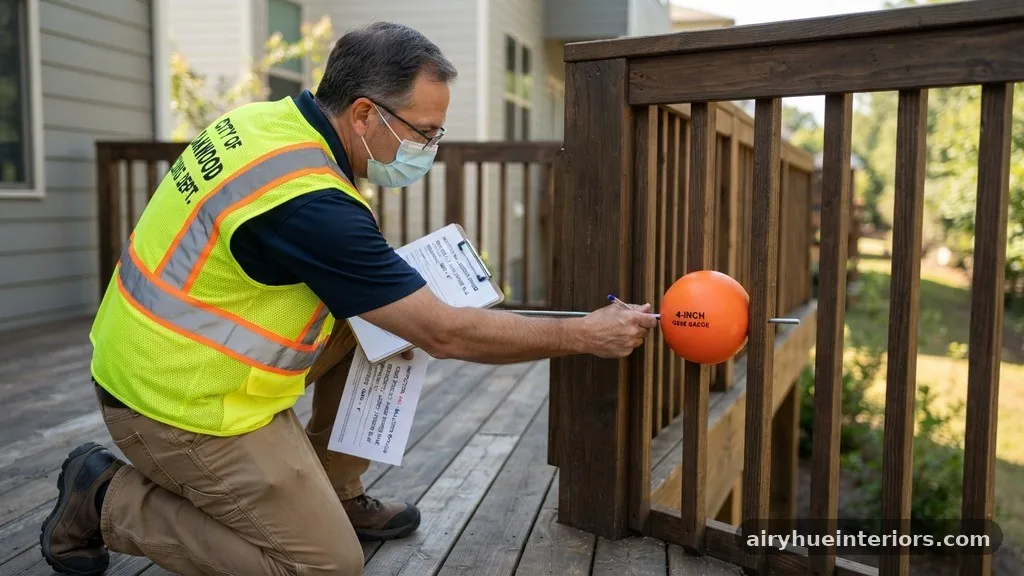 The 4-Inch Sphere Rule is a fundamental safety standard in residential construction, designed specifically to prevent small children from becoming trapped in stairways and deck…
- What Is the Maximum Code Spacing Between Stair Railing Balusters?
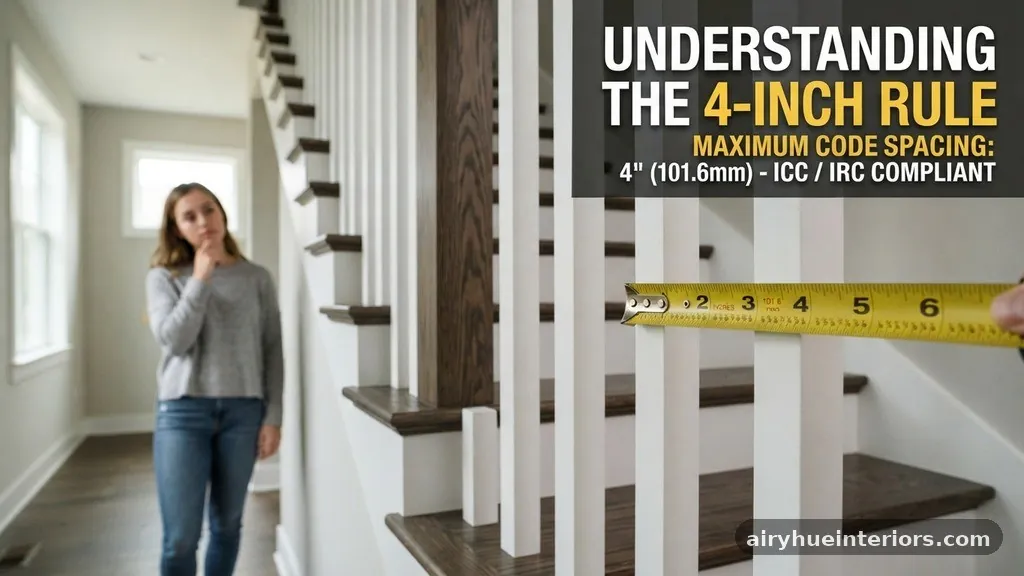 Understanding the maximum code spacing between stair railing balusters is a fundamental aspect of residential and commercial construction safety. These regulations exist primarily to prevent…

AiryHue Interiors | Bright Home Decor Ideas & Effortless Hairstyle Trends