Handrail Wall Returns: Why Building Code Requires Handrail Ends to Turn In
Introduction
Building codes require handrail wall returns to prevent clothing or accessories from snagging on the ends of the railing. These handrail wall returns code standards ensure that the rail terminates safely into a wall or post to maintain a continuous, graspable surface for users navigating stairs.
This article explores why these regulations exist and how they impact your home renovations. You will learn about the role of the Americans with Disabilities Act in setting accessibility guidelines and how local building codes address specific regional safety concerns. By understanding these requirements, you can ensure your project meets necessary safety standards while maintaining a clean, professional finish for your staircase.
Handrail Wall Return Requirements
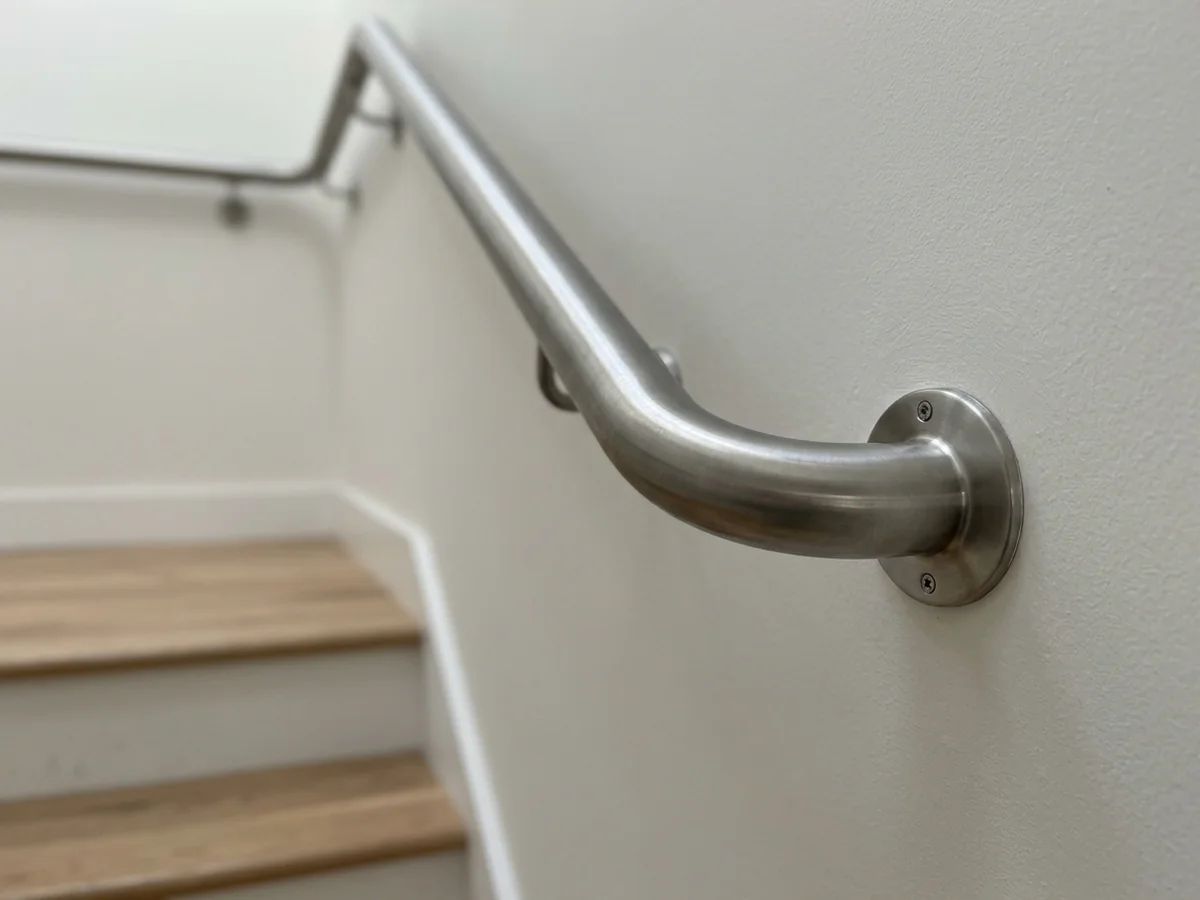
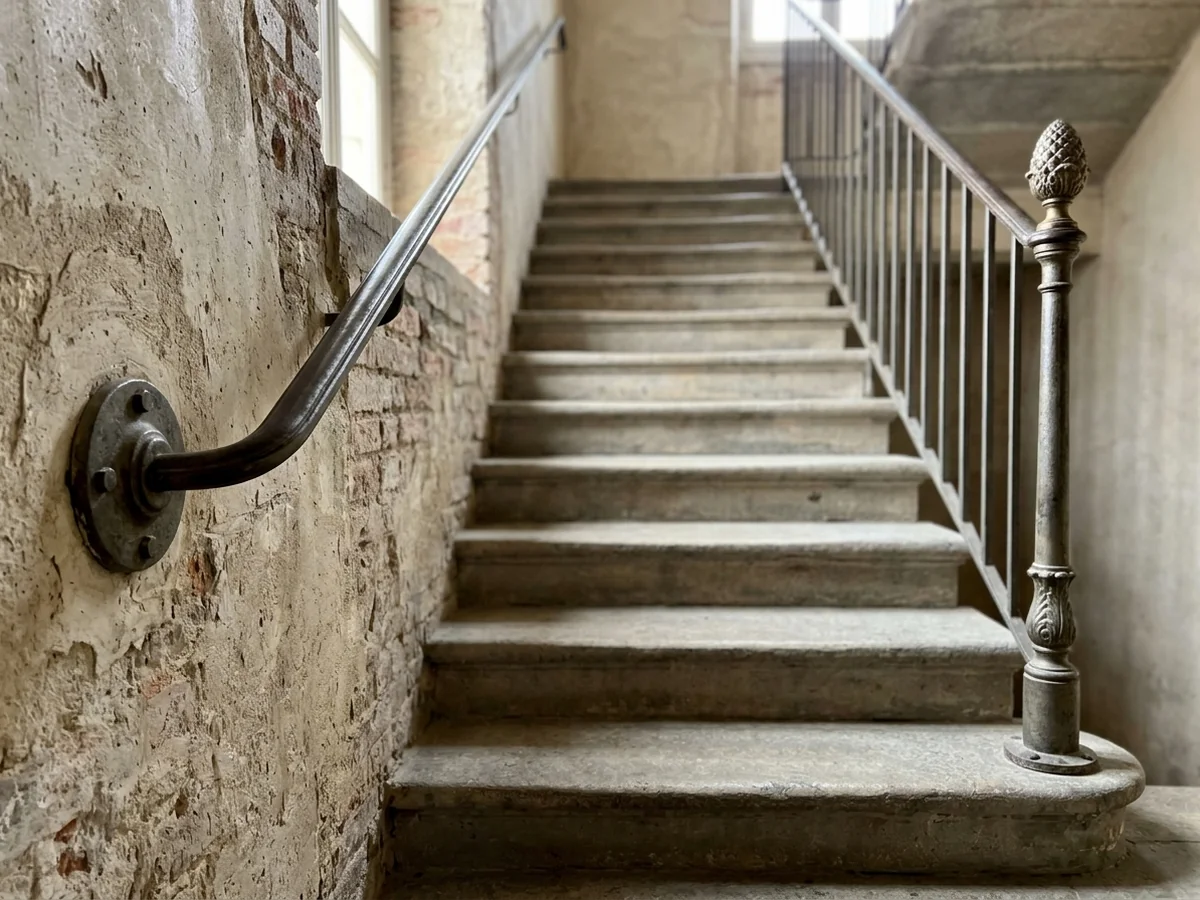
A handrail return is the curved or angled section at the end of a stair railing that connects the graspable surface back to the wall or the mounting post. This design element ensures that the rail ends in a smooth, finished manner rather than leaving a sharp, exposed edge. By terminating the rail directly into the wall, builders minimize the risk of clothing, bags, or jewelry getting caught on the end of the railing while someone is walking up or down the stairs.
While aesthetics often drive design choices in home renovation, building safety remains the primary focus for regulatory authorities. The Americans with Disabilities Act (ADA) sets clear guidelines for handrail returns to ensure accessibility. These rules are implemented to prevent potential hazards that could cause a user to trip or lose their balance. When a railing terminates abruptly without a return, it creates an unnecessary physical obstruction that can interfere with a person’s movement along the staircase.
Common guidance suggests that these returns provide a continuous and safe graspable surface throughout the entire length of the stair flight. This continuity is essential for providing support and stability for all users, regardless of mobility level. It is important to note that local building codes are designed to address regional concerns such as weather, which may occasionally influence how these elements are installed in outdoor settings compared to indoor environments.
Designers and homeowners should remain aware of several key factors when finalizing their stair safety plans:
- The primary goal of a return is to eliminate snag hazards caused by open-ended railings.
- Consistent support is provided when the handrail profile remains smooth and uninterrupted.
- Compliance with regional standards helps ensure that stairways remain safe for all inhabitants.
- Professional installation is recommended to guarantee that the termination meets both safety and structural requirements.
By prioritizing functional design over decorative trends, you ensure that your staircase remains a safe environment for everyone in your household. Consulting with local officials or reviewing current residential stair handrail code helps maintain compliance while achieving a clean, professional finish for your living space.
Understanding Handrail Return Codes

Building codes mandate handrail returns to prevent clothing, accessories, or fingers from snagging on the ends of the rail. By terminating the handrail securely into the wall, builders eliminate dangerous protrusions that pose a risk to anyone navigating a staircase. A return describes the section of the handrail that turns toward the wall or floor, effectively closing off the open end of the rail.
Regulatory Frameworks and Accessibility
The Americans with Disabilities Act (ADA) sets clear guidelines for handrail returns to ensure accessibility. These regulations help create a safer environment for users with limited mobility or vision, ensuring that railings offer a predictable path for the hand. While ADA handrail return requirements are specific to public and commercial spaces, they serve as a gold standard for safety. Beyond these federal mandates, structural requirements are defined by the International Building Code (IBC) and the International Residential Code (IRC). These sets of regulations ensure that stair safety requirements remain consistent across different types of construction. However, local building codes are designed to address regional concerns such as weather, which can influence specific installation methods.
Common Installation and Safety Goals
It is widely considered common practice that these returns provide a continuous and safe graspable surface. When a handrail terminates cleanly into the wall, it prevents the hand from slipping off an exposed end. This design choice is critical for maintaining stability throughout the entire length of the stair flight.
While residential stair handrail code may differ slightly from commercial IBC handrail extension rules, the primary goal remains the same. Ensuring that every end is properly turned toward the wall effectively mitigates trip hazards and enhances overall stairway safety. Common mistakes include leaving the ends of the handrail floating or failing to maintain the required distance between the wall and the return.
Key Benefits of Handrail Returns
- Returns prevent accidental snags on sleeves, bags, or jewelry while ascending or descending.
- They provide a tactile warning to users that the staircase has ended, which is vital for accessibility.
- Wall-mounted returns create a rigid, structurally sound finish that resists damage over time.
- Properly executed handrail wall returns code compliance ensures the stair remains a graspable, continuous surface.
When planning your installation, always verify the specific mandates for your area. While national codes provide a baseline, local inspectors may require additional clearance or specific termination styles based on the occupancy type of the building. Always prioritize a design that maintains a clear, continuous path for the hand from the top of the stair to the bottom.
Why Returns Are Required
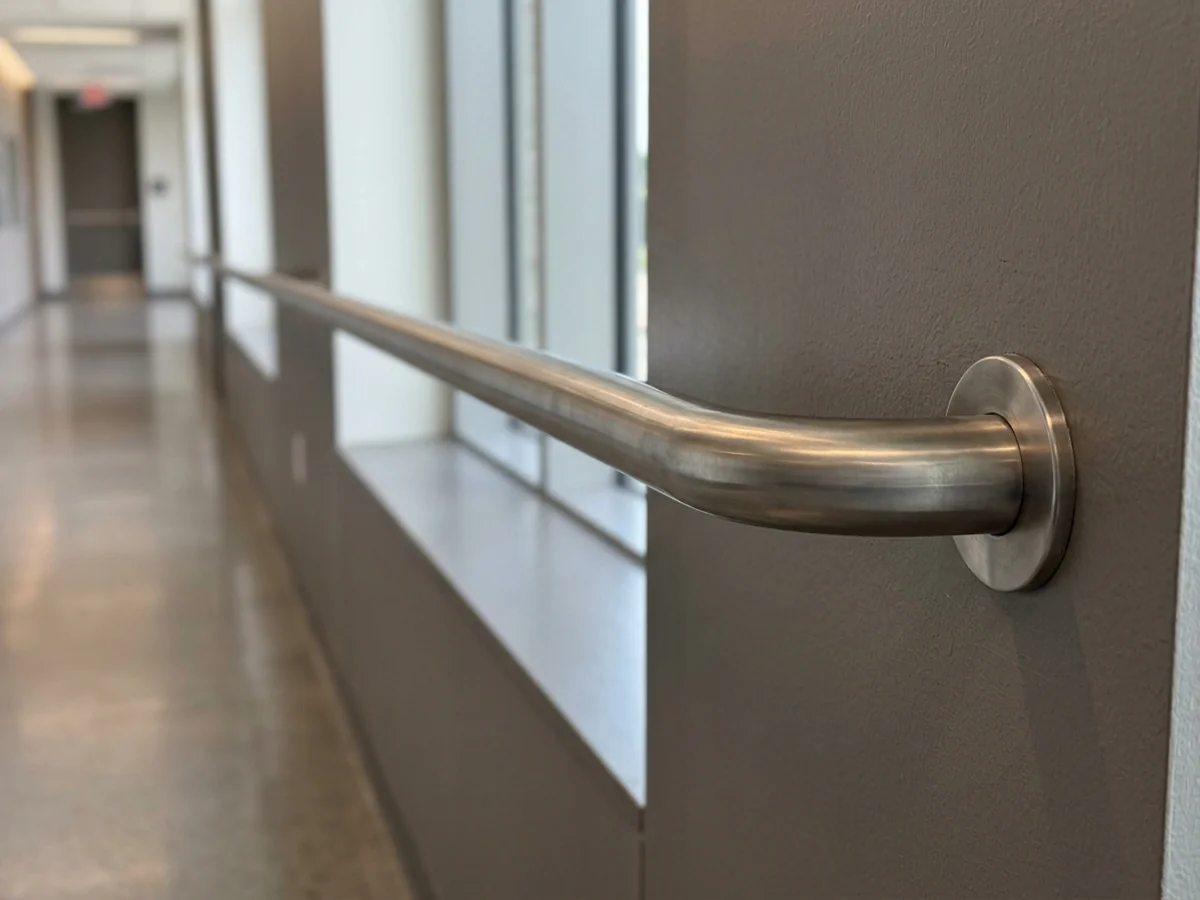
Handrail returns are required to eliminate dangerous protrusions that can catch on clothing or accessories as a person walks past the stairs. By curving the end of the rail back into the wall, the installation creates a smooth, finished surface that significantly reduces the risk of accidental snagging or injury. Following handrail wall returns code is essential for maintaining a safe environment, as it prevents loose fabric, bags, or jewelry from catching on an abrupt, open rail end.
Beyond preventing snags, these returns serve critical functional and accessibility roles in modern building design. The following points outline why these standards exist:
- The Americans with Disabilities Act (ADA) sets clear guidelines for handrail returns to ensure accessibility for all users.
- Common guidance suggests that returns provide a continuous and safe graspable surface, allowing users to maintain physical contact with the rail until they reach a flat landing.
- Terminating a rail without a return leaves a sharp, exposed end that poses a significant hazard to individuals navigating the space, particularly in high-traffic areas.
- Local building codes are designed to address regional concerns, such as specific weather conditions, to ensure that exterior and interior railing installations remain structurally sound and safe.
- A proper return ensures that users do not lose their balance by providing a predictable stopping point at the end of a stairway.
Without a proper return, an open-ended handrail creates a snagging hazard that can pull a person off balance or cause them to stumble. When a handrail terminates abruptly, it lacks the continuous profile that users rely on for stability while transitioning between elevations. Ensuring that every stairway installation meets these safety benchmarks helps protect occupants and aligns with standard residential stair handrail code practices. Properly finished ends also contribute to a clean, professional aesthetic that is standard in well-designed interiors.
Residential Versus Commercial Standards

Navigating the requirements for stairway accessibility involves distinguishing between the International Residential Code (IRC) and the International Building Code (IBC). While residential settings prioritize general household safety, commercial properties must adhere to more rigid mandates to accommodate diverse populations. Understanding these differences is essential for anyone managing a construction or renovation project.
| Feature | Residential (IRC) | Commercial (IBC/ADA) |
|---|---|---|
| Primary Focus | General household safety | Public accessibility |
| Termination | Flexible guidance | Strict wall returns |
| Accessibility | Recommended | Mandatory |
A central component of these standards is the handrail termination. In commercial environments, the Americans with Disabilities Act (ADA) sets clear guidelines for handrail returns to ensure accessibility. These rules mandate that handrails terminate into a wall, guard, or walking surface to prevent items such as clothing or mobility aids from catching on the end of the rail. Such design choices contribute to a continuous and safe graspable surface, which is a common practice for enhancing user stability.
Common mistakes in implementation often arise from confusing these standards. For instance, installers may apply residential flexibility to commercial spaces, leading to non-compliant protruding rail ends. Conversely, failing to check local building codes can lead to issues, as these codes are designed to address regional concerns such as weather, which may influence how specific materials perform or how fixtures must be mounted in different climates.
To ensure compliance, consider the following practical steps:
- Verify the Jurisdiction: Always consult local municipal authorities, as they may adopt specific versions of the IBC or IRC with local amendments.
- Prioritize Accessibility: Even in residential homes, adopting commercial-style returns provides a safer environment for all ages and mobility levels.
- Check Wall Clearance: Ensure the handrail return to wall construction maintains the required clearance, typically measured from the wall to the inside of the rail, to allow for a proper grip.
- Assess Material Durability: If the stairway is outdoors, select materials that resist the regional weather conditions noted in your local code.
By focusing on the specific IBC handrail extension rules versus residential standards, you can avoid common installation errors. While the regulations governing home stair handrails may allow for more design freedom, meeting the rigorous demands of commercial accessibility standards often results in a more functional and safer handrail system for any property.
Wall Versus Post Installation
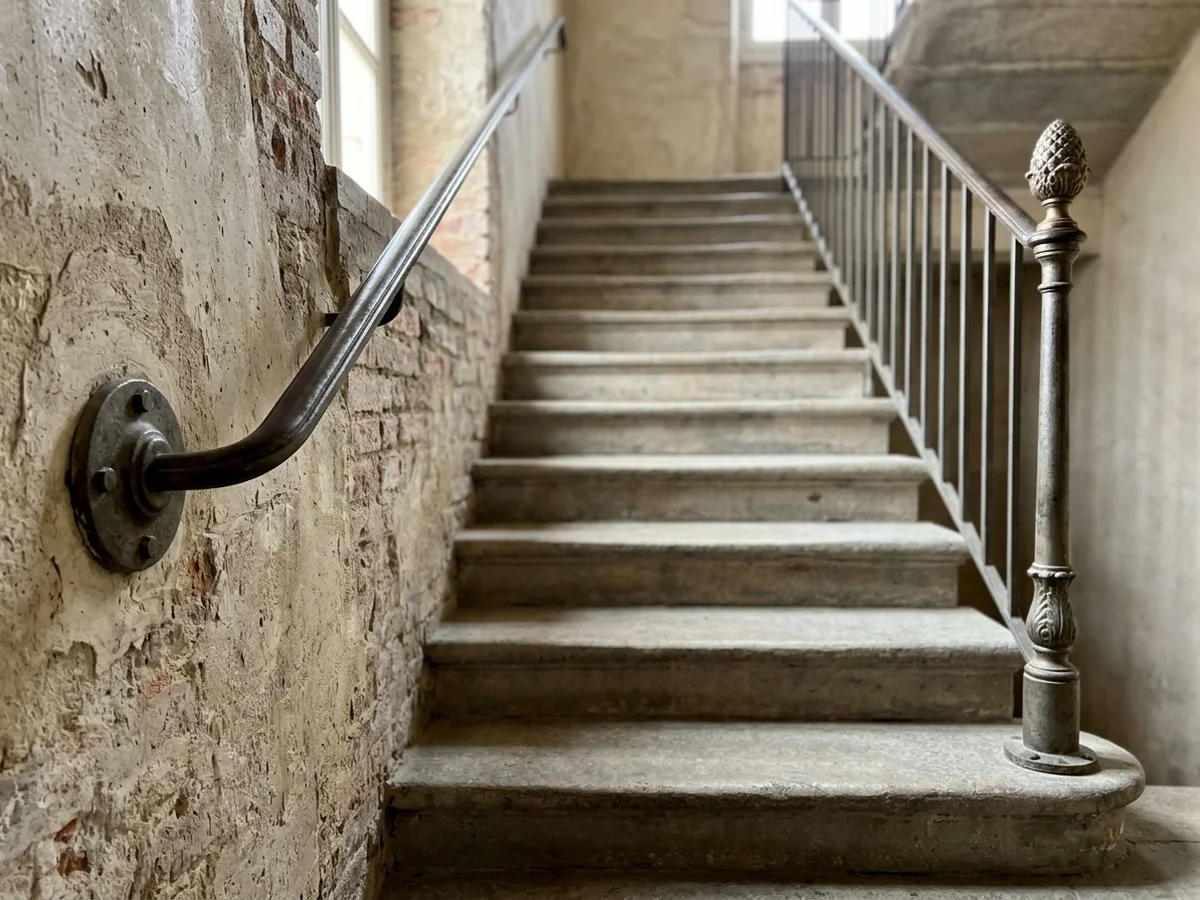
Handrail termination requirements change significantly depending on whether the system attaches directly to a wall or terminates at a freestanding post. While wall-mounted systems must curve back to meet the wall surface, post-mounted systems often terminate with decorative caps or finials because they lack an adjacent wall structure to receive the return.
The Americans with Disabilities Act (ADA) sets clear guidelines for handrail returns to ensure accessibility. For wall-mounted installations, handrail return to wall construction requires specific bending or blocking techniques to ensure the end of the rail is flush against the wall or a structural element. This prevents loose clothing or jewelry from catching on the end of the rail, which is a common safety concern in high-traffic stairways.
Maintaining a proper graspable handrail profile is essential for safety, regardless of the mounting style. When the rail returns to the wall, you must preserve adequate wall clearance requirements to ensure a user can fully wrap their hand around the rail without striking their knuckles against the wall surface. If the return brings the rail too close to the wall, it effectively reduces the functional diameter of the grip area.
Local building codes are designed to address regional concerns such as weather, which may influence how you terminate a rail outdoors compared to indoors. When planning your installation, consider these key differences:
- Wall-mounted rails require a continuous, smooth transition back to the wall surface to eliminate hazardous protrusions.
- Post-mounted rails usually terminate with a cap, provided the design does not create a snag point for users.
- Wall clearance must remain consistent throughout the entire length of the rail, including the portion that curves back to the wall.
- Blocking may be necessary behind the wall surface to provide a secure anchor point for the return hardware.
Always verify your specific project requirements against the latest local regulations, as these standards often define the exact distance required between the rail and the wall to maintain a safe, continuous path for the hand.
Common Installation Mistakes
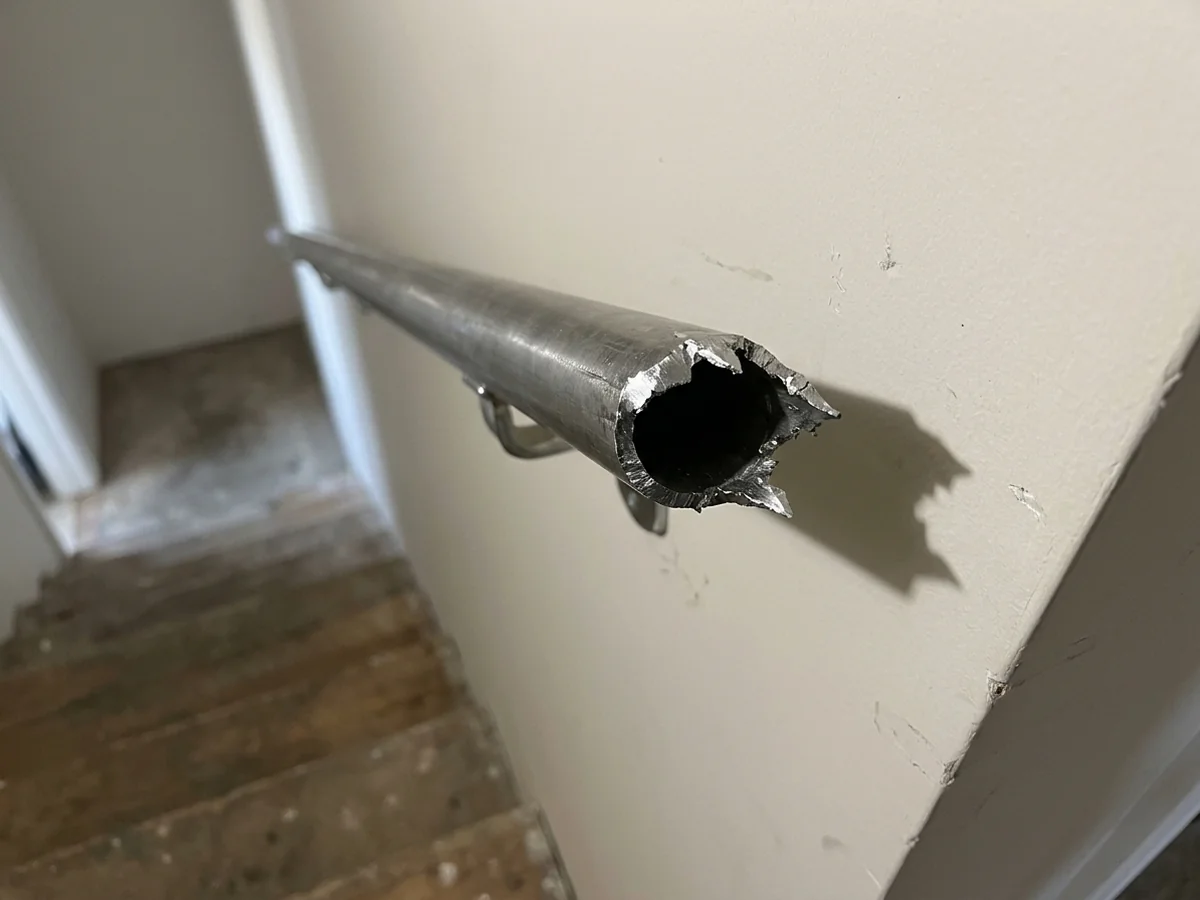
Poorly executed terminations often fail to meet safety standards, creating hazards that obstruct movement or pose snagging risks. When installers ignore guidelines for finishing a rail, they create conditions that violate accessibility and safety regulations. Ensuring a clean handrail return to wall construction is essential for maintaining both the aesthetic and the protective function of the staircase.
Regulatory Misunderstandings
A frequent error involves conflating different sets of standards. The Americans with Disabilities Act (ADA) sets clear guidelines for handrail returns to ensure accessibility. However, residential projects often fall under the International Residential Code (IRC), while commercial spaces must adhere to the International Building Code (IBC). These codes may differ regarding projection distances and the specific shape of the termination. Neglecting local building codes can lead to non-compliance, as these regulations are specifically designed to account for regional factors such as local weather patterns. Before starting, check if your project requires adherence to IBC handrail extension rules or local amendments that might be more stringent than federal guidelines.
Mechanical and Structural Errors
Even with high-quality materials, installation flaws can render a rail unsafe. Common pitfalls include:
- Improperly bent returns: These result in sharp, exposed edges that pose a snagging risk for clothing or injury to a user’s hand.
- Incorrect wall clearance: The gap between the rail and the wall must be consistent to ensure a reliable grip. If the return does not maintain the required distance from the wall surface, it fails to provide a safe transition.
- Inconsistent styles: Using different return shapes on a single run of stairs creates physical and visual confusion for the user.
The Importance of Flush Terminations
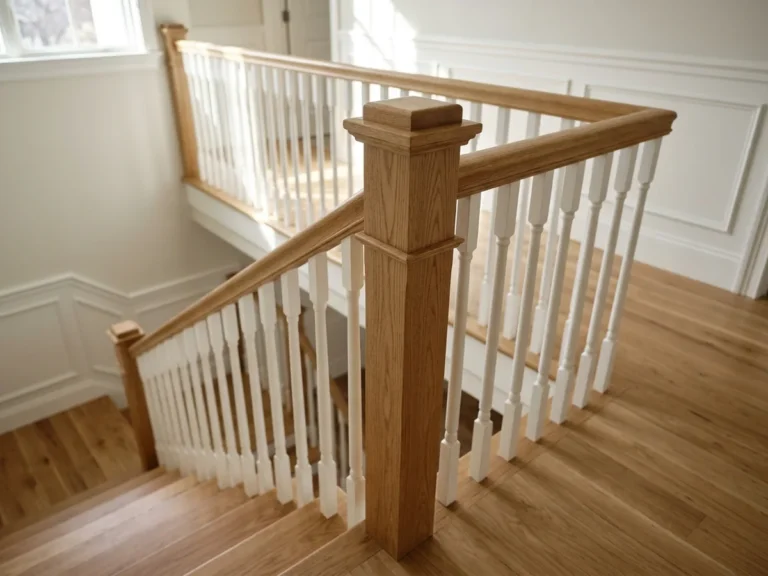
It is common guidance that returns provide a continuous and safe graspable surface. When the connection to the wall is not smooth, the railing loses its primary function as a stable guide for those navigating stairs. A proper return should terminate flush against the wall or into a newel post to prevent items from catching on the end of the rail. Whether you are addressing residential stair safety requirements or a commercial renovation, the terminal point must be as secure as the rest of the system to prevent accidents during ascent or descent.
Handrail Return Safety Standards

Outdoor installations must account for thermal expansion and contraction to ensure handrail wall returns code compliance remains intact over time. When materials like metal or wood are exposed to fluctuating temperatures, they naturally expand and shrink. If a handrail is fixed too rigidly without allowing for these shifts, the connection points can stress, crack, or pull away from the mounting surface.
Proper installation techniques allow for slight movement while maintaining a continuous and safe graspable surface. This is a common guidance practice that prevents the hardware from failing during extreme weather cycles. By incorporating specific expansion gaps or using flexible mounting brackets, builders ensure that the handrail remains secure even when outdoor temperatures fluctuate significantly.
Using corrosion-resistant materials is essential for all external handrail terminations. Exposure to rain, humidity, and temperature shifts can lead to rapid rust or rot, which compromises the integrity of the entire assembly. Choosing stainless steel, powder-coated aluminum, or treated wood helps prevent structural degradation at the exact point where the handrail meets the wall. These materials maintain their strength and aesthetic appeal longer than standard indoor components.
Regional authorities often dictate specific hardware requirements to address local environmental concerns. Because local building codes are designed to address regional concerns such as weather, you should verify which fasteners and mounting methods are approved for your specific climate. In areas with high salt exposure or frequent freezing, inspectors may require specialized hardware that resists galvanic corrosion or prevents water infiltration.
- Check your local municipal building department for climate-specific fastening requirements.
- Ensure that the chosen materials are rated for exterior use to avoid premature oxidation.
- Review the Americans with Disabilities Act (ADA) guidelines, as the ADA sets clear guidelines for handrail returns to ensure accessibility in public and common-use spaces.
- Confirm that your installation plan accounts for the full range of seasonal temperature changes in your region.
Consulting a Professional
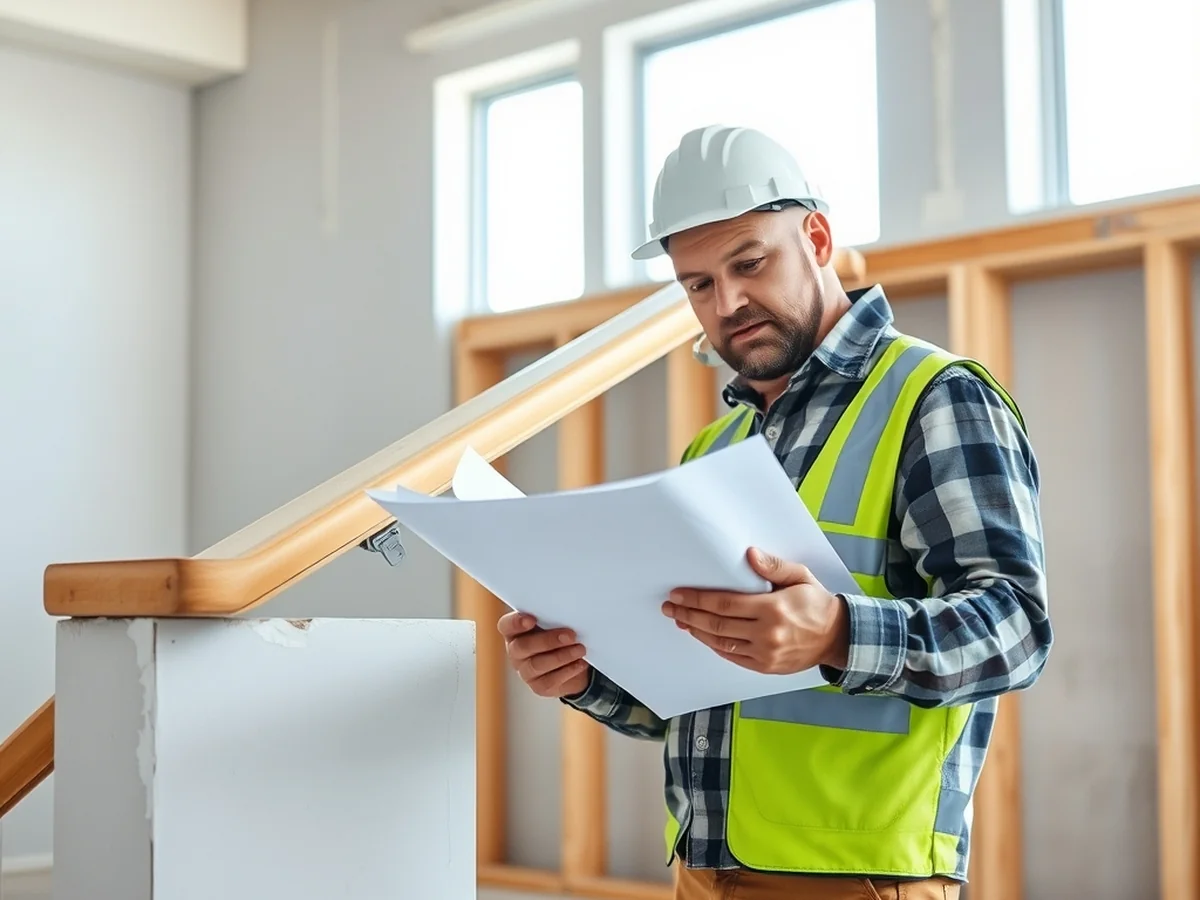
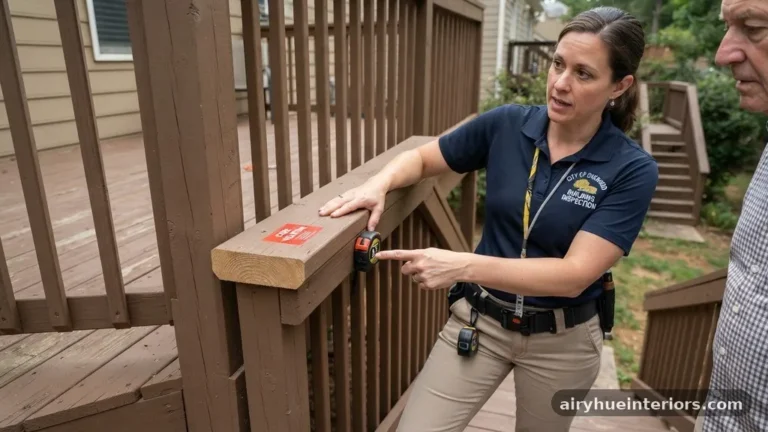
Navigating the complexities of stair safety requirements often requires professional input, especially when project plans involve non-standard layouts or unique architectural features. Because regional jurisdictions frequently adapt national standards with specific local amendments, consulting a local building inspector is a practical step to prevent costly rework. These officials can clarify whether your project falls under the International Residential Code (IRC) or the more stringent International Building Code (IBC) standards, ensuring your handrail wall returns code compliance from the start.
Understanding Regulatory Differences
It is essential to recognize that local building codes are designed to address regional concerns such as weather, which can influence material durability and installation methods. While the Americans with Disabilities Act (ADA) sets clear guidelines for handrail returns to ensure accessibility, these rules primarily apply to public and commercial spaces. Residential projects often follow the IRC, which may have distinct criteria for handrail termination. Relying solely on one set of national guidelines without verifying local variations is a frequent cause of inspection failures. Always confirm if your municipality enforces additional safety measures beyond the standard national building codes.
The Role of Licensed Contractors
Hiring a licensed professional is recommended to guarantee that your stairway accessibility features align with both legal standards and structural integrity needs. Professionals possess the specialized knowledge to navigate the nuances of how to properly return a handrail to the wall, ensuring the finished product provides a secure, continuous, and graspable surface. This surface is widely considered a best practice for safety, as it prevents clothing or bags from catching on the rail end, a common hazard in residential stairways. When choosing a contractor, ensure they understand the functional distinction between guidelines for residential handrail safety and the specific termination requirements found in commercial building standards.
When working on your home, keep these priorities in mind to ensure a safe and successful outcome:
- Document any verbal clarifications provided by your local building department for your records.
- Prioritize the installation of smooth, continuous transitions to maintain a secure grip along the entire length of the rail.
- Verify the required graspable handrail profile for your specific installation type before purchasing materials.
- Confirm that your wall clearance requirements allow for proper handrail termination without violating local fire or accessibility codes.
FAQ
Are handrails legally required to return to the wall?
Yes, building codes generally mandate that handrail ends return to the wall or a post to prevent clothing or accessories from snagging. This design feature ensures a smooth, continuous transition that significantly improves stairway accessibility.
What are the official ADA handrail return requirements?
The Americans with Disabilities Act (ADA) sets clear guidelines for handrail returns to ensure accessibility for all users. These standards dictate that the handrail must terminate in a way that avoids protruding into the path of travel, typically by turning the end back toward the wall surface.
Do residential stair handrail rules differ from commercial ones?
Residential standards often follow the International Residential Code (IRC), while commercial buildings adhere to the International Building Code (IBC) and ADA requirements. While both aim to increase safety, commercial regulations are typically more stringent regarding the exact dimensions and geometry of the handrail termination.
Why is finishing a handrail into the wall considered safer?
Common guidance suggests that handrail returns provide a continuous and safe graspable surface that helps users maintain their balance throughout the entire stair flight. By eliminating sharp or exposed ends, you reduce the risk of items catching on the rail, which can lead to accidental falls or injuries.
Can I ignore handrail wall returns code if I live in a rural area?
You should never bypass these requirements because local building codes are designed to address regional concerns such as weather and safety standards specific to your jurisdiction. Always verify the current regulations with your local building department before beginning your installation to ensure you remain fully compliant.
Conclusion
Ensuring your handrail installation meets local safety standards begins with consulting your local building department. Because local building codes are designed to address regional concerns such as weather, your specific jurisdiction may enforce unique requirements that go beyond general safety standards. Reviewing the handrail wall returns code for your area is a critical step to guarantee compliance and protect against potential hazards. If you are uncertain about the application of these rules to your specific staircase, contact a local code official or a licensed professional before finalizing your installation. Verifying these details early prevents costly modifications and ensures your project meets all necessary accessibility and safety criteria.
Sources: access-board.gov, huduser.gov
You might also like: What Is the Standard Code Height for a Stair Handrail from Tread Nose?