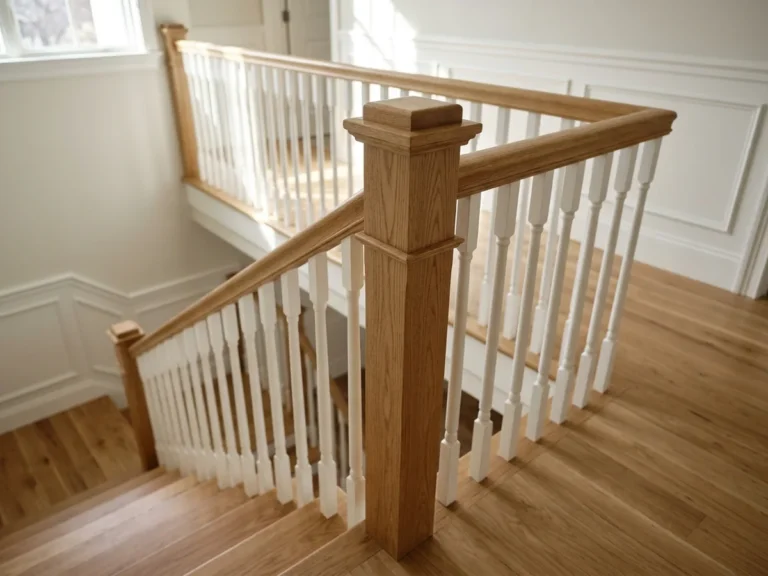

How to Sand and Stain an Existing Oak Handrail Dark Walnut Without Stripping
Introduction
You can effectively update your home by learning how to stain oak handrail dark walnut without the need for labor intensive chemical stripping. This process allows you to achieve a rich, dark finish by scuffing the existing surface rather than removing it entirely.
This guide covers the essential steps for preparing your woodwork, including proper scuff sanding techniques and how to apply stain over an existing finish. You will learn about the unique characteristics of oak, which is an open-grain wood that absorbs stain differently than closed-grain varieties. We also discuss the importance of choosing the right products for high-touch areas, such as using polyurethane to provide a durable topcoat finish. By following these professional methods, you can successfully transform your handrail while maintaining the integrity of the wood and achieving a professional-looking, dark walnut result.
Tools Needed for Staining
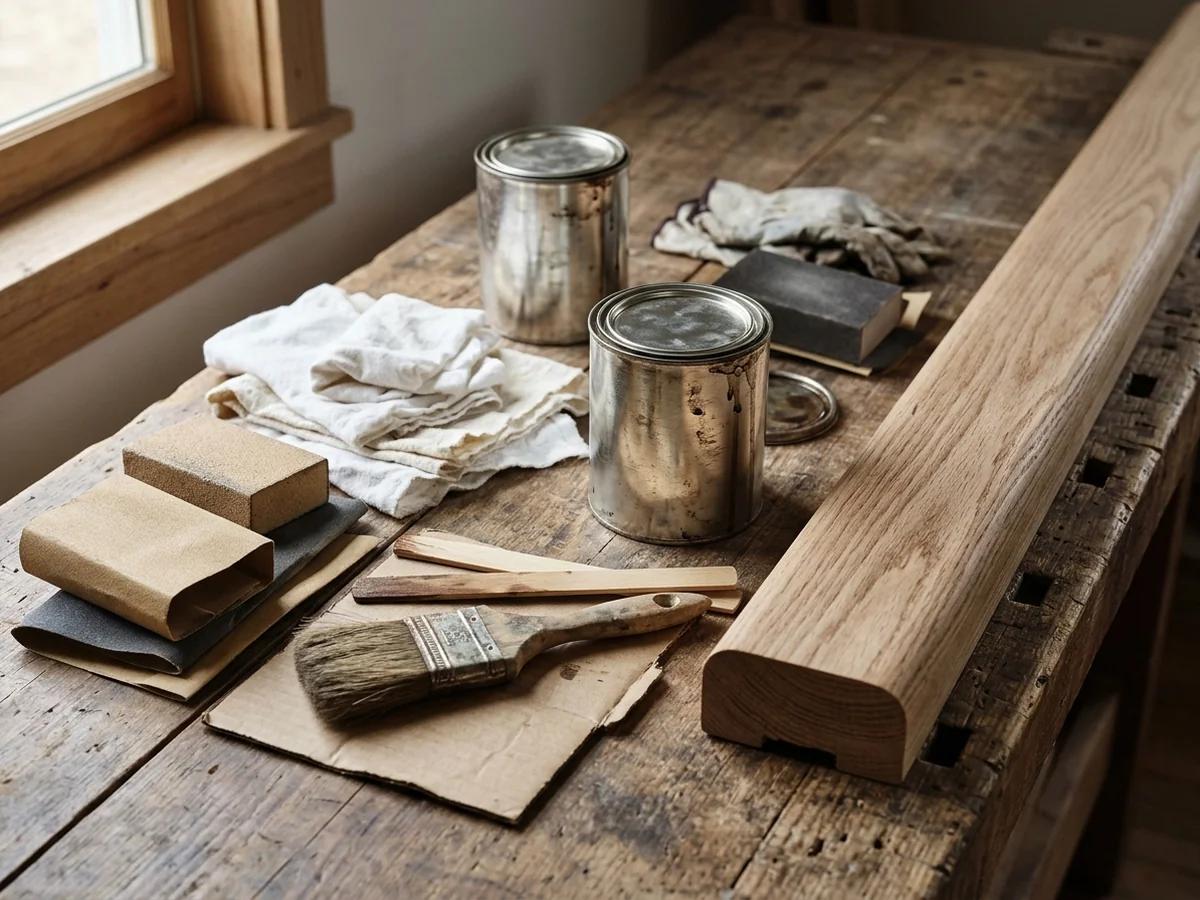
To successfully update your woodwork, you will need a specific set of tools for surface preparation and product application. Because oak is an open-grain wood, it absorbs stain differently than closed-grain woods like maple, requiring careful attention during the sanding and application phases.
Refinishing an oak handrail without stripping relies on the process of scuff sanding. This method is effective because existing polyurethane finishes must be scuffed rather than completely removed to allow for new stain adhesion. By choosing to scuff the surface instead of using harsh chemical strippers, you maintain the structural integrity of the wood while creating a profile that accepts new color.
Before beginning, gather these essential items to ensure a professional finish:
- Fine-grit sandpaper or sanding sponges (typically 180 to 220 grit for scuffing).
- Tack cloths for removing fine sanding dust after the surface is prepared.
- High-quality lint-free rags or staining pads for applying your chosen pigment.
- Mineral spirits for cleaning wood surfaces of dust after sanding or for thinning oil-based products.
- Polyurethane, which provides a durable topcoat finish for high-touch areas like handrails.
- Disposable gloves and protective eyewear to maintain safety during the process.
When selecting your stain, remember that dark walnut colors often contain a mix of brown and black pigments. If you are working with red oak, common guidance suggests that the wood’s natural pinkish undertone can be neutralized with green or grey-toned stains to achieve a truer walnut appearance. Because gel stains are formulated to sit on top of the surface rather than penetrate deep into the wood fibers, they are a frequent choice for projects where you are applying color over an existing finish.
Once you have finished your preparation, apply your chosen product in thin, even layers. High-traffic handrails benefit from a minimum of two coats of polyurethane to ensure long-term protection. Always allow for adequate drying time between coats, as oil-based stains usually require longer dry times than water-based alternatives. If you choose a water-based stain, note that these require water for cleanup, whereas oil-based stains generally require mineral spirits for cleanup.
Oak Grain and Staining Tips
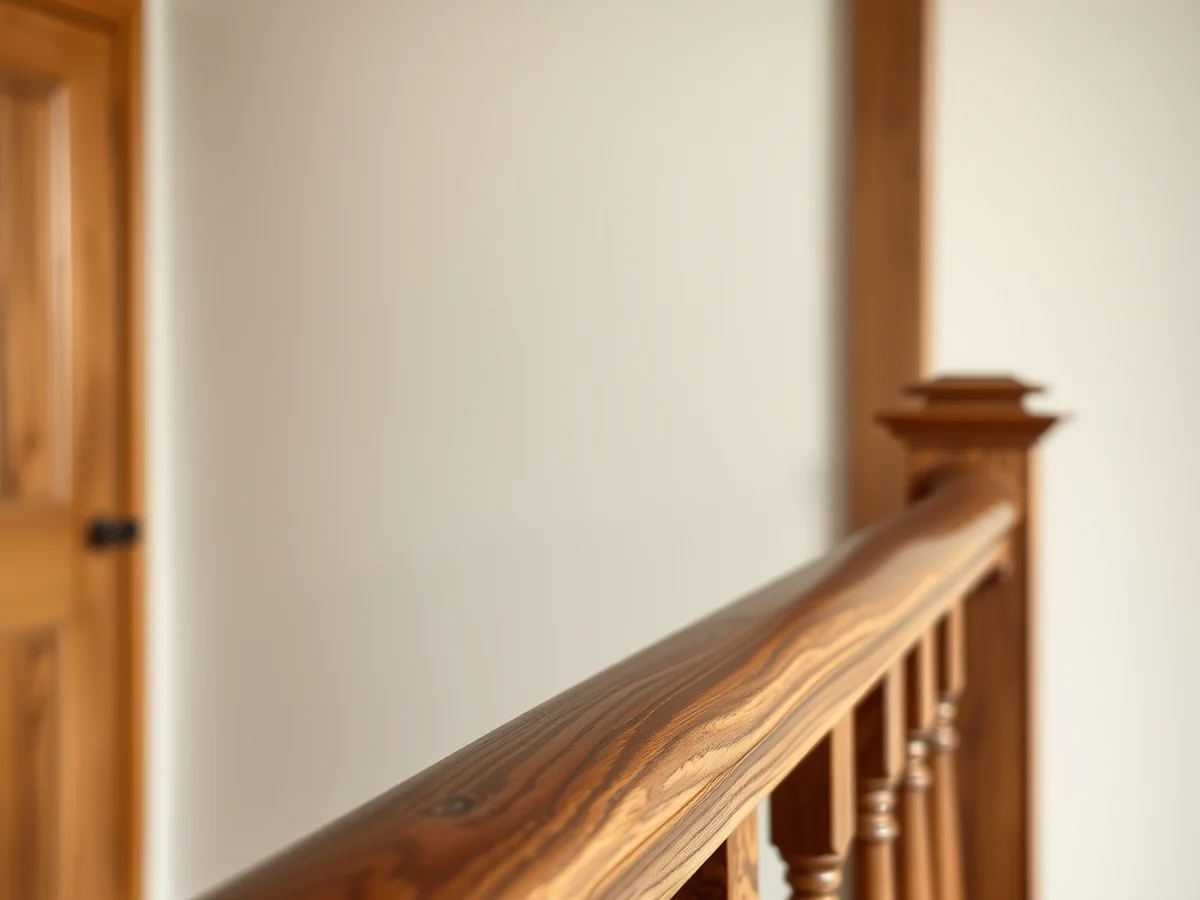
Oak is an open-grain wood that absorbs stain differently than closed-grain woods like maple. Because of this porous structure, the wood is ideal for achieving deep, rich tones when you apply a dark finish. Understanding these natural characteristics helps you achieve a professional result when updating your handrail without the need for total chemical stripping.
The specific type of oak you have influences your color choice. Red oak specifically features a pinkish undertone that can be neutralized with green or grey-toned dark walnut stains. This is common guidance for those seeking the best dark walnut stain for red oak, as these complementary tones help balance the natural warmth of the wood to create a more neutral, sophisticated appearance.
Working with the grain also involves understanding how different products behave on the surface:
- Gel stains are formulated to sit on top of the surface rather than penetrate deep into the wood fibers, making them a popular choice for refinishing over existing coats.
- Oil-based stains generally require mineral spirits for cleanup, which is a helpful tip when managing your workspace.
- Water-based stains require water for cleanup, offering a different alternative for your project.
While some assume wood requires heavy sanding to take new color, it is important to note that existing polyurethane finishes must be scuffed rather than completely removed to allow for new stain adhesion. Scuffing creates a mechanical bond for the new layer without the labor of stripping the wood to its raw state. Common guidance suggests that sanding beyond the finish layer into raw wood may change the color result compared to staining over a scuffed surface, so keep your sanding light and even.
Finally, remember that dark walnut stain colors often contain a mix of brown and black pigments. By testing your chosen product on a discreet area of the handrail, you can see exactly how the pigments interact with the unique grain of your wood. This preparation ensures you reach the desired depth of color while maintaining the natural beauty of the oak.
Preparing Handrails Without Stripping
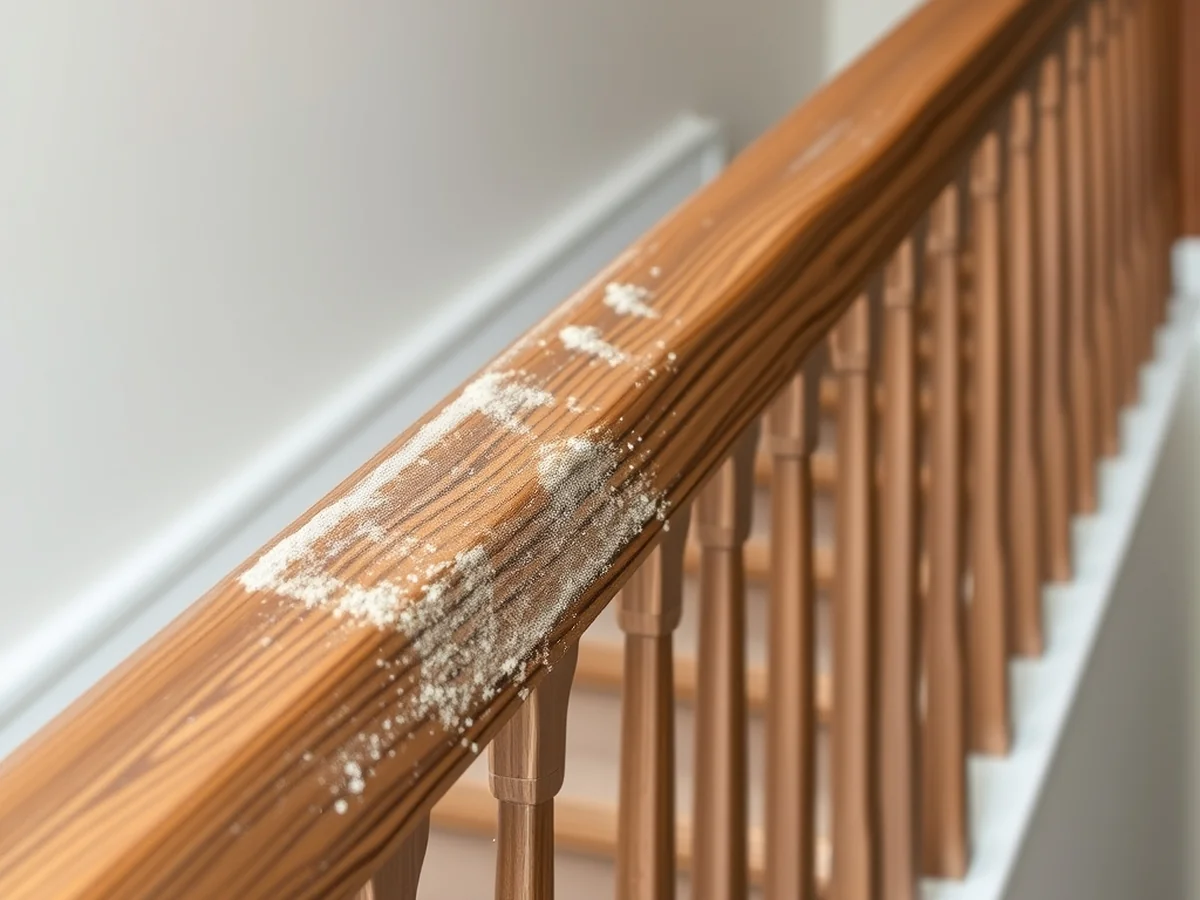
When refinishing an oak handrail without stripping, the objective is to create a mechanical bond for your new stain rather than removing the previous finish entirely. Because existing polyurethane provides a durable topcoat, it serves as a stable base if properly textured. According to professional guidelines, existing polyurethane finishes must be scuffed rather than completely removed to allow for new stain adhesion. This approach is particularly effective when working with gel stains, which are formulated to sit on top of the surface rather than penetrate deep into the wood fibers, making them an excellent choice for a dark walnut transformation.
Proper surface preparation is critical when scuff sanding wood for restaining, as it ensures the final result is uniform and free of streaks. Follow these steps to prepare your handrail effectively:
- Select the right abrasive: Use a fine-grit sandpaper to dull the existing gloss. The goal is to create a matte, textured surface, not to expose the raw wood.
- Maintain consistent pressure: Apply even pressure across the handrail to keep the scuffing uniform. Uneven sanding can lead to patchy absorption of the stain.
- Navigate complex profiles: Pay extra attention to curved profiles and tight corners. These areas are often neglected, yet they must be thoroughly scuffed to ensure the new color adheres consistently.
- Avoid deep sanding: Common guidance suggests that sanding beyond the finish layer into raw wood may change the final color result, as the wood will absorb stain differently than the scuffed finish.
- Clean the surface: Remove all sanding debris using a tack cloth. A tack cloth is highly effective at lifting fine dust that can create a gritty texture under your new finish.
- Final wipe-down: It is common practice to use mineral spirits on a clean rag to wipe down the wood after initial dust removal. This ensures the surface is completely free of contaminants.
Keep in mind that oak is an open-grain wood that absorbs stain differently than closed-grain woods like maple. When attempting to stain an oak handrail dark walnut, remember that if you are working with red oak, the wood often has a pinkish undertone. It is common practice to use green or grey-toned stains to help neutralize these undertones for a more authentic walnut appearance. Finally, since polyurethane provides a durable topcoat finish for high-touch areas like handrails, always plan to finish with a fresh coat of sealer once your stain has fully cured.
Choosing Between Gel and Penetrating Stains
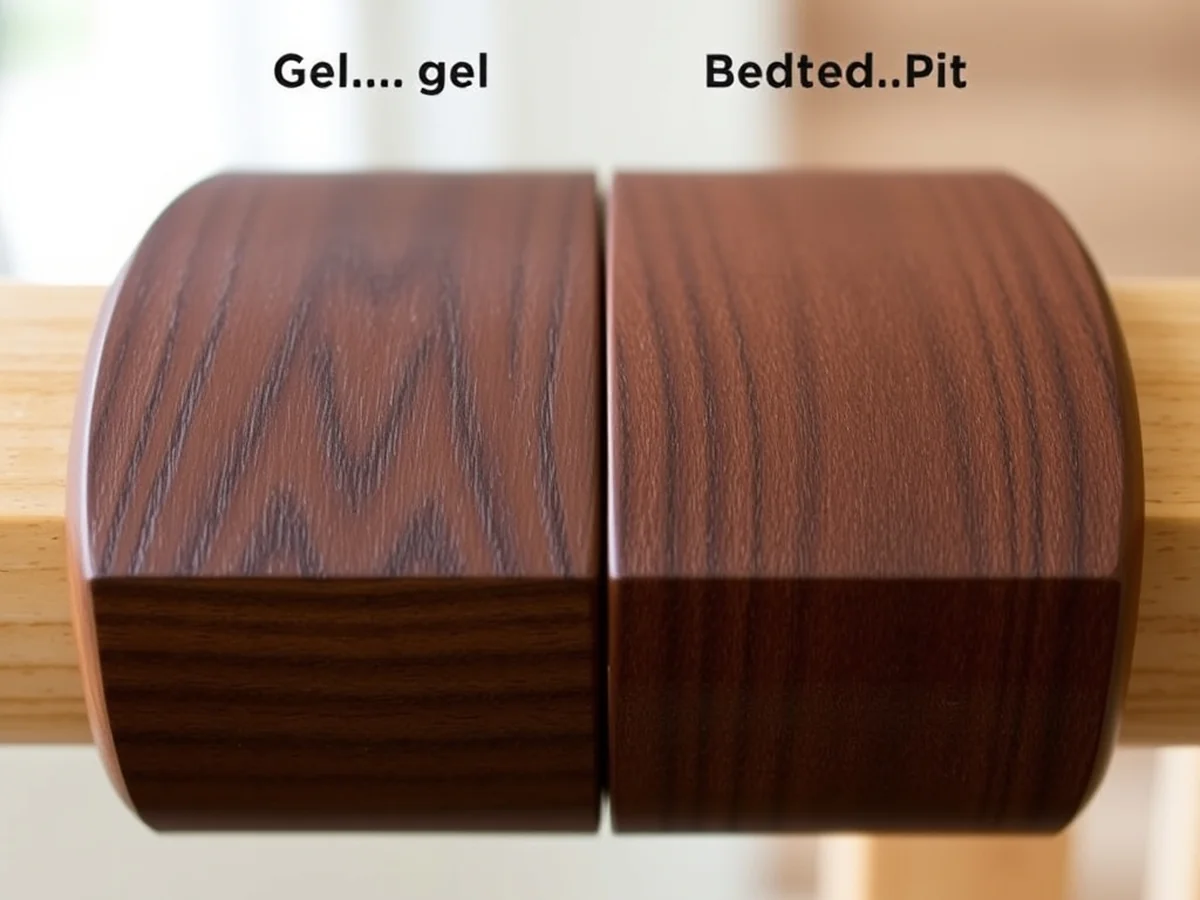
The primary difference between these two products lies in how they interact with the wood surface. Gel stains are formulated to sit on top of the surface rather than penetrate deep into the wood fibers, whereas penetrating stains soak into the open grain of the oak to create a deeper color foundation.
| Feature | Gel Stain | Penetrating Stain |
|---|---|---|
| Application | Surface-level | Fiber-soaking |
| Cleanup | Solvent-dependent | Solvent-dependent |
| Existing Finish | Compatible with scuffing | Requires raw wood |
Oak is an open-grain wood that absorbs stain differently than closed-grain woods like maple. Because of this, it is common guidance to use a gel stain over polyurethane handrail if you prefer not to sand down to raw wood. This approach allows you to stain oak handrail dark walnut without the labor-intensive process of stripping the entire piece to bare wood. While penetrating stains offer a traditional look, they typically require removing all existing finish layers to allow the pigment to reach the wood fibers. Gel stains, conversely, act almost like a translucent paint, providing a uniform color change even when applied over a properly scuffed existing polyurethane finish.
When selecting your product, consider that dark walnut stain colors often contain a mix of brown and black pigments. If you are working with red oak, common guidance suggests that the wood’s inherent pinkish undertones can be neutralized by choosing a stain with subtle green or grey undertones. Since polyurethane provides a durable topcoat finish for high-traffic areas like handrails, ensure that any product you choose is compatible with your final clear coat. Always perform a test on a hidden area of the wood grain to confirm the color depth before committing to the entire handrail.
Application and Drying Considerations

Choosing between oil-based and water-based products significantly impacts your workflow, as each type requires different cleanup methods and drying schedules. Oil-based stains generally require mineral spirits for cleanup and typically have longer dry times than water-based alternatives. Conversely, water-based stains require water for cleanup and offer faster turnaround times, which is often preferred for high-traffic areas like a busy staircase.
When selecting your materials, consider the unique properties of the wood you are finishing. Oak is an open-grain wood that absorbs stain differently than closed-grain woods like maple. Because of this, it is helpful to understand how these products interact with the surface. While pre-stain conditioners are often used to prevent blotching in softwoods, they are typically optional for dense oak. You may find them useful if you notice certain sections of the rail absorbing pigment unevenly during your test application.
Keep the following practical guidelines in mind when working with your stain:
- Oil-based stains are common choices for their depth of color, though they require patience due to extended drying periods.
- Water-based options are ideal if you need to complete the project quickly, as they dry significantly faster.
- Always test your chosen color on an inconspicuous area, as dark walnut pigments often contain a complex mix of brown and black that can vary based on the specific oak species.
Regardless of the stain type you select, the final durability of the handrail depends on your topcoat. Polyurethane provides a durable finish for high-touch areas, and it is common practice to apply at least two coats to ensure the wood remains protected from daily wear. If you choose an oil-based polyurethane, ensure you have adequate ventilation as it cures. If you prefer a faster process, water-based polyurethane is an effective alternative that still offers the necessary resilience for a frequently used rail.
Protecting Your New Finish
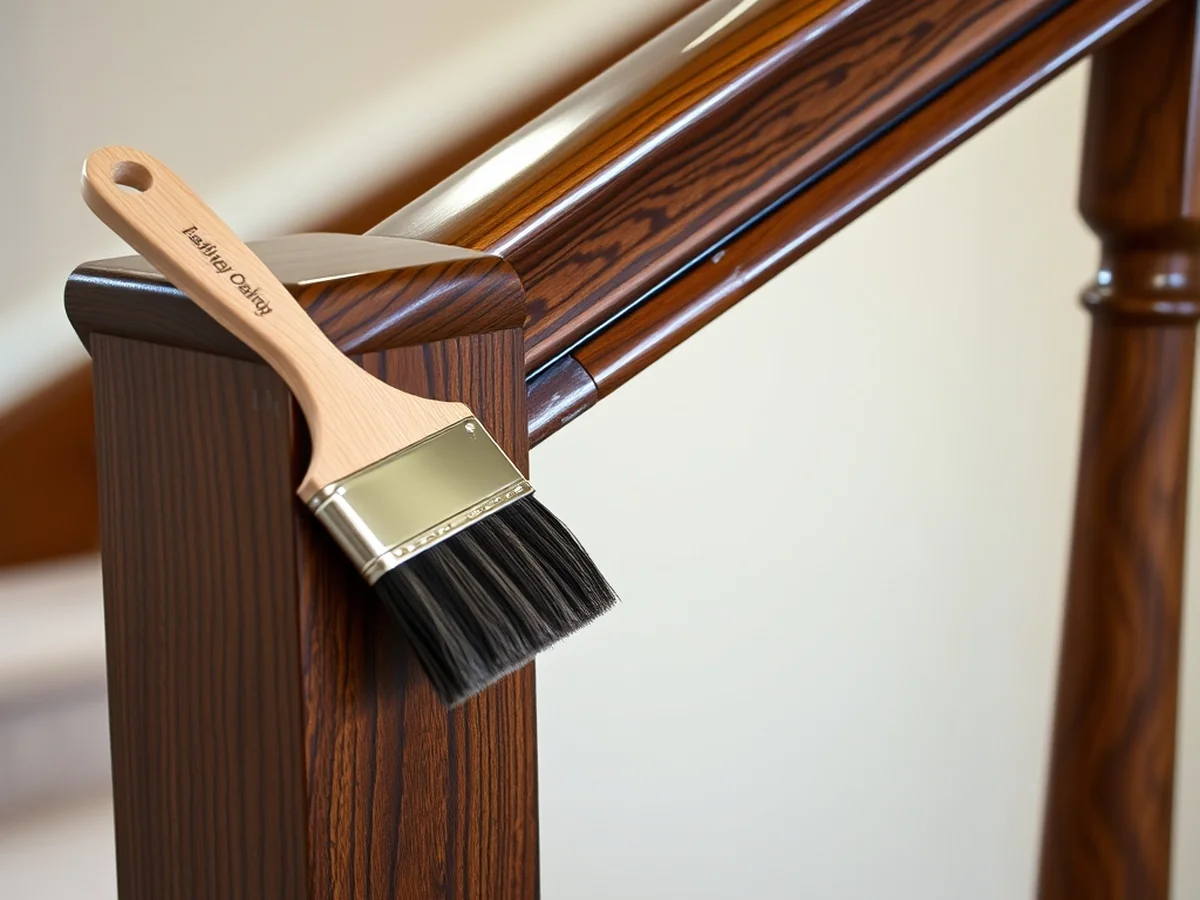
Applying a clear protective barrier is the critical final step in refinishing an oak handrail. Because polyurethane provides a durable topcoat finish for high-touch areas like handrails, it serves as an essential shield for both the wood surface and your dark walnut stain. Without this layer, the physical contact from daily use will quickly wear away the color, exposing the raw grain underneath.
When working with oak, keep in mind that it is an open-grain wood that absorbs stain differently than closed-grain woods like maple. This unique structure makes the protective topcoat even more vital, as it seals the grain against moisture and oils from your skin. It is common practice to apply a minimum of two coats of polyurethane to high-traffic handrails to ensure long-term wear, though many DIYers choose to add a third layer for extra defense against scuffs and scratches.
Achieving a professional-grade result requires patience with the drying process. Rushing between coats often leads to unwanted texture, cloudiness, or trapped bubbles in the finish. Always check the manufacturer guidelines regarding necessary dry times before lightly sanding between applications to promote better adhesion. If you are using an oil-based polyurethane, remember that cleanup will typically require mineral spirits, whereas water-based versions clean up with simple soap and water.
- Ensure the surface is completely free of dust or residue before you begin applying the topcoat. Using a tack cloth is highly effective for removing fine particles that orbital sanders might leave behind.
- Select a high-quality brush or applicator specifically designed for clear finishes to ensure an even, streak-free layer.
- Check the surface in bright, consistent lighting to ensure full coverage across all curves and edges of the rail, as these areas are most prone to thin spots.
- Apply the final coat with steady, long, and overlapping strokes to prevent visible brush marks or lap lines.
- Avoid over-brushing the polyurethane, as this can introduce air bubbles into the finish that become permanent once cured.
- Allow the entire project to cure fully for the duration specified on your product packaging before resuming normal use. Even if the surface feels dry to the touch, the finish requires time to reach its full hardness.
Common Mistakes to Avoid
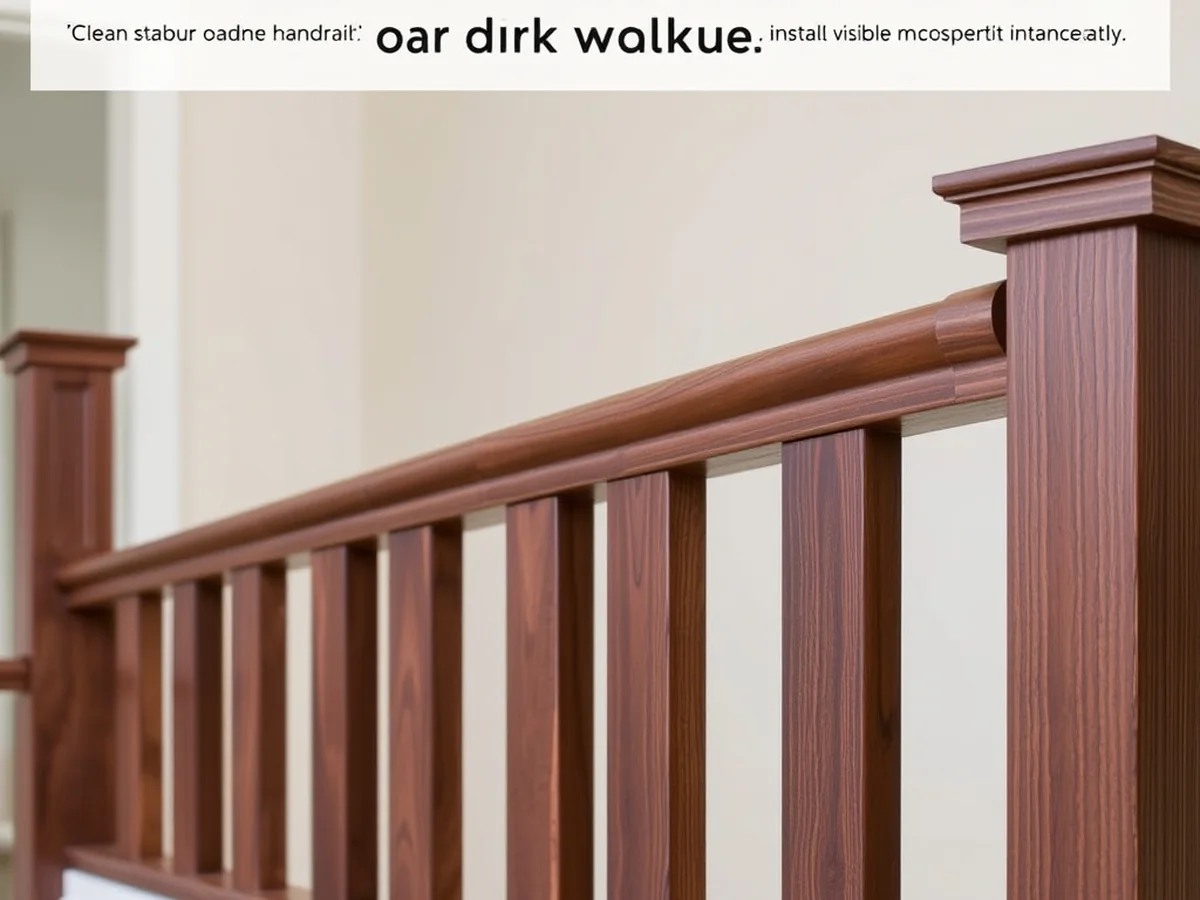
Achieving a professional result when updating your woodwork requires careful technique and attention to detail. Avoiding these typical errors will help ensure your project remains durable and visually consistent.
- Ignoring Surface Residue: Ensure all residue from previous waxes or cleaning products is removed from the surface before you begin. These substances act as barriers that prevent proper stain adhesion, potentially leading to uneven patches or peeling. Using a clean rag with a mild solvent is a standard way to verify the surface is ready.
- Over-Sanding the Surface: It is common guidance that sanding beyond the finish layer into raw wood may change the final color result, as raw fibers absorb stain differently than a scuffed surface. Stick to light abrasion rather than removing the wood material entirely.
- Improper Preparation of Existing Finishes: Existing polyurethane finishes must be scuffed rather than completely removed to allow for new stain adhesion. Scuff sanding wood for restaining provides the necessary mechanical bond for new applications without the need for aggressive stripping.
- Rushing the Drying Process: It is common guidance that oil-based stains require longer dry times than water-based alternatives, especially when working in humid environments. If you are learning how to darken oak wood stairs, avoid the temptation to apply heavy, thick layers of product in an attempt to speed up the process.
- Misunderstanding Oak Grain: Oak is an open-grain wood that absorbs stain differently than closed-grain woods like maple. This structural difference means pigment can settle deep into the texture, which is why testing your chosen dark walnut stain on a hidden area is crucial.
- Neglecting Cleanup Protocols: Always use the correct solvent for your chosen product. Oil-based stains generally require mineral spirits for cleanup, while water-based stains require water for cleanup.
When working on high-traffic areas like handrails, patience is essential. Excess material often stays tacky and fails to cure correctly, leading to a finish that scratches or peels easily under daily use. Because polyurethane provides a durable topcoat finish for high-touch areas, it is common guidance that these surfaces benefit from a minimum of two coats. Always allow for adequate ventilation and follow the recommended recoat times specified by your chosen product to ensure the best possible outcome. For final prep, remember that tack cloths are effective at removing fine sanding dust before stain application, which helps maintain a smooth finish.
FAQ
Can I stain an existing oak handrail dark walnut without stripping?
Yes, you can achieve this by scuff sanding the existing finish instead of removing it completely. Existing polyurethane finishes must be scuffed to create a profile that allows for new stain adhesion.
What is the best way to prepare the surface for restaining?
You should use fine-grit sandpaper to scuff the current finish until the surface appears dull and lacks any sheen. Once sanding is complete, mineral spirits can be used to clean wood surfaces of dust, or you may use a tack cloth to effectively remove fine particles before applying your stain.
How do I handle the pinkish undertones of red oak?
Red oak often features a pinkish undertone that can be neutralized with green or grey-toned stains. When aiming for a dark walnut look, selecting a stain that incorporates these balancing tones will help achieve a more neutral, professional result.
Are gel stains a good choice for handrails?
Gel stains are formulated to sit on top of the surface rather than penetrate deep into the wood fibers, making them a popular choice for refinishing over existing, scuffed finishes. Because oak is an open-grain wood that absorbs stain differently than closed-grain woods, these thicker stains can provide a more uniform appearance.
What is the most durable finish for a handrail?
Polyurethane provides a durable topcoat finish for high-touch areas like handrails. It is common practice to apply a minimum of two coats to ensure the wood remains protected against the daily wear and tear of a busy household.
Do I need to use a pre-stain conditioner?
Pre-stain conditioners are designed to prevent blotching in softwoods, though they are often optional for dense oak. Since oak is a hardwood, you may find that the stain adheres well without one, but testing on a hidden area is always recommended.
Conclusion
The primary decision point before you begin is confirming that your current handrail finish is in good enough condition to support a new layer. You must scuff the surface thoroughly to ensure the new color adheres properly without peeling.
Once you are ready to proceed, perform a small test in an inconspicuous area to verify the color result. After confirming the look, you can confidently stain oak handrail dark walnut to achieve a refreshed, modern appearance for your home.
Sources: digitalcommons.usu.edu, kentcountymi.gov, cdn.prod.web.uta.edu, faculty.tamucc.edu
You might also like: What Is the Standard Code Height for a Stair Handrail from Tread Nose?